
What Is a Good Monthly Pension? A Realistic Guide for 2026
 May, 22 2026
Retirement Income Calculator
You spend your entire working life saving for one thing: the day you stop trading time for money. But when that day arrives, what does "enough" actually look like? There is no single magic number printed on a government website. A good monthly pension depends entirely on where you live, how you want to spend your days, and whether you have a mortgage hanging over your head.
Most financial planners suggest aiming for monthly pension income that covers at least 70% to 80% of your pre-retirement salary. This rule of thumb exists because you won’t be commuting, buying work clothes, or paying into workplace benefits anymore. However, inflation has shifted the ground beneath our feet. In 2026, the cost of housing, healthcare, and basic groceries in major cities like Toronto or London means that 70% might not feel like enough if your lifestyle expectations remain high.
Let’s break down what constitutes a realistic, comfortable retirement income today, moving beyond generic advice to look at actual numbers and strategies.
The Baseline: Government Pensions and State Benefits
Before calculating your personal target, you need to know what the state will provide. This forms the floor of your retirement income. In Canada, this includes Old Age Security (OAS) and the Canada Pension Plan (CPP). In the UK, it’s the State Pension. These amounts are indexed to inflation, but they are designed to cover basics, not luxuries.
For example, in 2026, the maximum OAS payment in Canada is roughly $1,394 per month. The maximum CPP retirement pension is around $1,364. Combined, that’s approximately $2,758 a month before tax. While this sounds decent, remember that this is the absolute maximum, requiring decades of maxed-out contributions. Most people receive less. If you rely solely on these figures, you will likely find yourself budgeting tightly for every non-essential purchase.
| Source | Monthly Amount (CAD) | Notes |
|---|---|---|
| Old Age Security (OAS) | $1,394 | Age 65+, subject to clawback at higher incomes |
| Canada Pension Plan (CPP) | $1,364 | Based on max contributions over career |
| Total Potential State Support | $2,758 | Pre-tax, assuming maximum eligibility |
If you are planning to retire abroad or travel extensively, this baseline changes dramatically. For instance, someone considering a split-year arrangement between Canada and warmer climates might look at resources like this directory to understand local service costs and availability in specific international hubs, ensuring their budget accounts for unique regional expenses and safety considerations during extended stays.
Defining Your Personal "Enough" Number
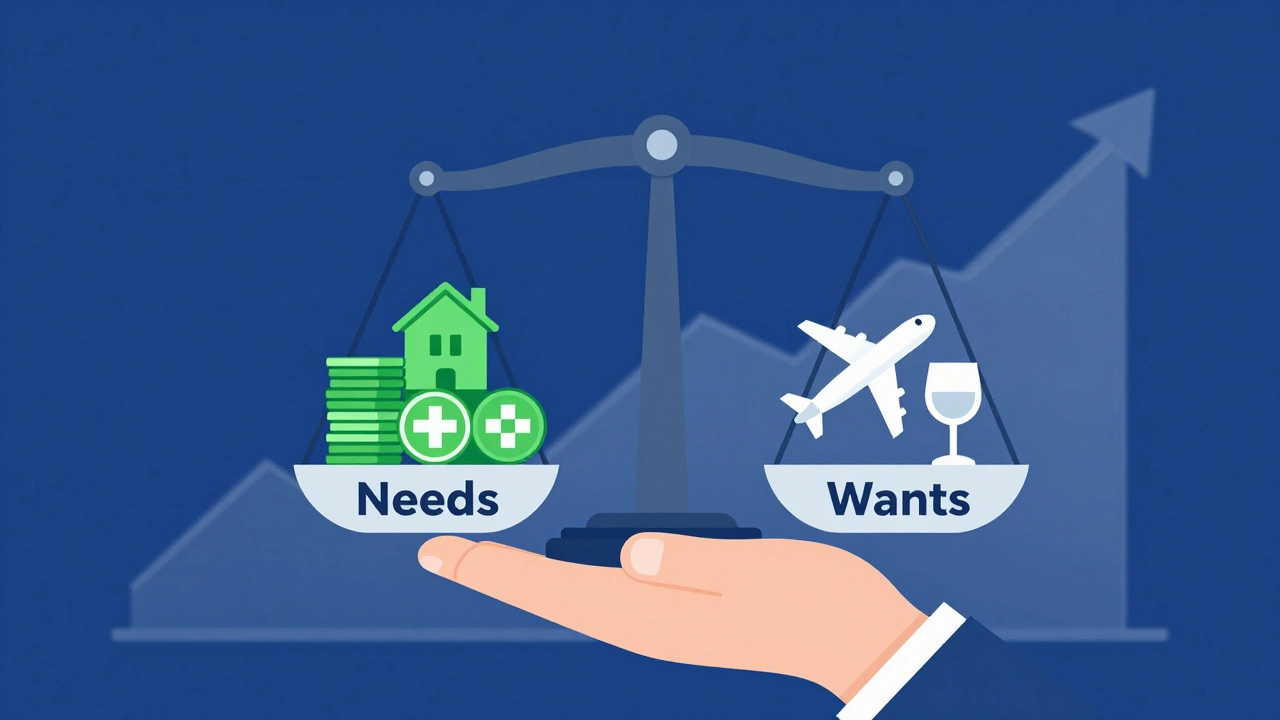
To determine a good monthly pension for you, start with your current spending, not your income. Look at your bank statements from the last six months. Categorize expenses into "needs" (housing, food, utilities, insurance) and "wants" (dining out, hobbies, travel).
In retirement, "needs" often increase due to healthcare costs, while "wants" may decrease if you’re staying home more. However, many retirees discover that travel becomes a bigger priority. A common mistake is underestimating the cost of leisure. If you plan to take two international trips a year, add that to your monthly budget now.
- Housing: Will you own outright or rent? Renting provides flexibility but introduces market risk. Owning eliminates rent but adds maintenance costs.
- Healthcare: Private insurance premiums rise with age. Factor in potential long-term care needs, which can exceed $10,000 annually depending on the level of care required.
- Inflation Buffer: Assume a conservative 3% annual inflation rate. A pension that feels good today will lose purchasing power in ten years if it doesn’t grow.
Aim for a total monthly net income that covers your essential needs plus 50-70% of your discretionary spending. For a couple in a mid-sized Canadian city, this often lands between $4,500 and $6,000 per month after tax. For a single person in a high-cost area like Toronto or Vancouver, you might need closer to $5,500 to $7,000 to maintain a comfortable standard of living.
The Role of Private Savings and Investments
Government pensions rarely fill the gap between survival and comfort. That’s where your private savings come in. This includes Registered Retirement Savings Plans (RRSPs), Tax-Free Savings Accounts (TFSAs), and non-registered investment accounts.
The key here is withdrawal strategy. You don’t just want a pile of cash; you want a sustainable income stream. Financial advisors often use the "4% rule" as a starting point, suggesting you can withdraw 4% of your portfolio in the first year of retirement, adjusting for inflation thereafter. However, with volatile markets and longer life expectancies, some experts recommend a more conservative 3% to 3.5% withdrawal rate.
If you need $3,000 per month from investments alone ($36,000 annually), and you use a 3.5% withdrawal rate, you would need a portfolio of approximately $1,028,000. Combine this with your government pensions, and you begin to see the full picture. The goal is diversification: relying on multiple income sources reduces the risk that any single source failing will derail your retirement.
Tax Efficiency in Retirement
A good monthly pension isn’t just about the gross amount; it’s about what you keep after taxes. Different income streams are taxed differently. Government pensions are fully taxable. RRSP withdrawals are also fully taxable. TFSA withdrawals are tax-free. Interest from bonds is fully taxable, while dividends and capital gains often benefit from lower effective tax rates.
Strategic withdrawal ordering can significantly boost your net monthly income. Generally, it makes sense to:
- Withdraw from taxable accounts first (using up low-cost-basis assets).
- Then tap into tax-deferred accounts like RRSPs.
- Finally, draw from tax-free accounts like TFSAs to preserve them for later years or inheritance.
This approach minimizes your overall tax burden in the early years of retirement when your income might be lower, allowing your tax-advantaged accounts to continue growing tax-free for longer.
Adjusting for Lifestyle Changes
Your retirement won’t look the same at 65 as it does at 85. Many retirees experience a "U-shaped" spending pattern. Spending is high in the early years due to travel and new hobbies, drops in the middle years as health declines or routines settle, and then rises again in later years due to increased healthcare and potential assisted living costs.
A static monthly pension calculation fails to account for this dynamic reality. Instead, consider creating a flexible budget that allows for higher discretionary spending in the "go-go" years (65-75) and conserves capital for the "slow-go" and "no-go" years (75+). This might mean investing more aggressively in the early stages of retirement and shifting to safer, income-generating assets as you age.
Common Pitfalls to Avoid
One of the biggest mistakes people make is underestimating longevity risk. With advances in healthcare, living to 90 or beyond is increasingly common. Running out of money at 85 is a catastrophic scenario. Another pitfall is ignoring sequence of returns risk-the danger that poor market performance in the first few years of retirement can permanently damage your portfolio’s ability to sustain withdrawals.
To mitigate these risks:
- Maintain a cash buffer of 1-2 years’ worth of expenses to avoid selling investments during a market downturn.
- Consider annuities for a portion of your portfolio to guarantee lifetime income, protecting against outliving your assets.
- Review and adjust your withdrawal rate annually based on market performance and changing personal circumstances.
A good monthly pension is not a fixed number set in stone. It’s a dynamic target that evolves with your life, the economy, and your health. By understanding your baseline government support, accurately estimating your personal spending needs, and strategically managing your private savings and taxes, you can build a retirement income that provides both security and freedom.
How much monthly pension do I need to retire comfortably?
A comfortable retirement typically requires replacing 70-80% of your pre-retirement income. For most Canadians in 2026, this translates to $4,500-$6,000 per month for couples and $5,500-$7,000 for singles in high-cost areas, after taxes. This assumes you own your home outright and have moderate healthcare needs.
Is the government pension enough to live on?
For a single person, the maximum combined OAS and CPP in Canada is around $2,758 per month before tax. While this covers basic necessities for those who own their homes, it is generally insufficient for a comfortable lifestyle that includes travel, dining out, and unexpected expenses. Most retirees need additional private savings to bridge the gap.
Should I withdraw from my RRSP or TFSA first in retirement?
Generally, it is advisable to withdraw from taxable accounts first, then RRSPs, and finally TFSAs. This strategy preserves your tax-free growth in TFSAs for as long as possible and allows you to manage your tax bracket by controlling the timing of taxable RRSP withdrawals. Consult a tax professional for personalized advice.
How does inflation affect my monthly pension?
Inflation erodes purchasing power over time. Even at a modest 3% annual rate, your money will buy half as much in about 24 years. To combat this, ensure your pension income sources include investments that historically outpace inflation, such as equities, and consider indexing portions of your income to CPI if possible.
What is the 4% rule in retirement planning?
The 4% rule suggests you can safely withdraw 4% of your retirement portfolio in the first year, adjusting for inflation in subsequent years, without running out of money over a 30-year period. Given current market conditions and longer life expectancies, many advisors now recommend a more conservative 3% to 3.5% withdrawal rate for greater safety.