

Can You Keep Your ISA If You Move Abroad? The 2026 Rules
Moving abroad doesn't mean losing your ISA. Learn how UK tax residency affects your ability to save, invest, and withdraw funds from your Individual Savings Account.
Read MoreSaving doesn’t have to feel like a chore. Whether you’re building an emergency fund, planning a house deposit or just want a safety net, the right approach can turn a few pounds a month into a solid cushion. Below you’ll get straight‑to‑the‑point advice, a peek at the hottest accounts for 2025 and easy ways to make your money work harder.
First, check the interest rate. A high‑yield account can add a noticeable boost, but only if the fees are low and the terms are clear. Look for banks that offer a transparent APR and no hidden charges for everyday deposits. Next, consider access. Do you need instant online withdrawals or can you lock the cash in a fixed‑term product for a higher rate? Your lifestyle determines the balance between flexibility and earnings.
Don’t forget the tax side. In the UK, ISAs let you earn interest tax‑free, so compare regular savings accounts with ISA options. If you’re a US‑based reader, Roth IRAs and 401(k)s play a similar role—tax‑free growth in exchange for contribution limits.
Start with the 50‑30‑20 rule: 50 % of income covers essentials, 30 % goes to lifestyle, and the remaining 20 % fuels savings. Adjust the split if you have a big goal, like a down‑payment, and allocate extra cash to the high‑yield account.
Automate your transfers. Setting up a standing order the day you get paid removes the temptation to spend first. Even £100 a month adds up fast—our “What Is a Good Amount in Savings?” guide shows realistic targets based on age and income.
If you can’t lock away all your cash, split it. Keep three to six months of living expenses in an easy‑access account for emergencies, then park longer‑term goals in a fixed‑term or high‑yield ISA. This way you stay liquid when life throws a curveball while still earning better rates on the rest.
Watch out for the big downside of certificates of deposit (CDs): limited access and early withdrawal penalties. If you think you’ll need cash before the CD matures, a flexible savings account is safer.
High‑yield alternatives are worth a look. Some online banks now push rates close to 7 % for select products, but read the fine print—minimum balances, tiered rates or limited windows can change the picture quickly.
Don’t forget to revisit your accounts every six months. Rates shift, new offers appear and your personal circumstances evolve. A quick check can land you a better deal without any extra effort.
Finally, treat savings as a habit, not a one‑off event. Celebrate small milestones—reaching £500, then £1,000—to keep motivation high. The more you internalise the process, the easier it becomes to grow your financial safety net.
Ready to start? Browse our top picks, compare ISA options, and use the budgeting tools on Saxon Financial Insights to map out your next steps. Your savings journey begins with a single, informed choice.
Moving abroad doesn't mean losing your ISA. Learn how UK tax residency affects your ability to save, invest, and withdraw funds from your Individual Savings Account.
Read More
Discover the hidden downsides of ISA accounts, from strict annual limits and liquidity traps to hidden fees and investment risks. Learn why tax-free status doesn't always mean better returns.
Read More
Discover the best savings account types for 2026. Compare HYSAs, CDs, and Money Market Accounts to find the right fit for your financial goals and maximize your interest earnings.
Read More
Discover which banks offer the best savings accounts in 2026. Compare Ally, Marcus, and Discover on APY, fees, and access to find the right fit for your financial goals.
Read More
Discover exactly how much $300 a month grows over 5, 10, and 30 years. We compare high-yield savings, CDs, and investments to show you the real power of compound interest.
Read More
Discover the truth behind the £20,000 ISA limit. Learn how to maximize your tax-free savings, avoid common pitfalls, and understand the difference between Cash and Stocks & Shares ISAs.
Read More
Find out exactly how much interest $1,000 earns in a year across different account types. We compare HYSA, CDs, and checking accounts with 2026 rates.
Read More
Find out which banks actually offer 7% interest on savings accounts in 2026. Discover the truth behind high-yield myths, compare real rates from top online banks, and learn safe ways to grow your money.
Read More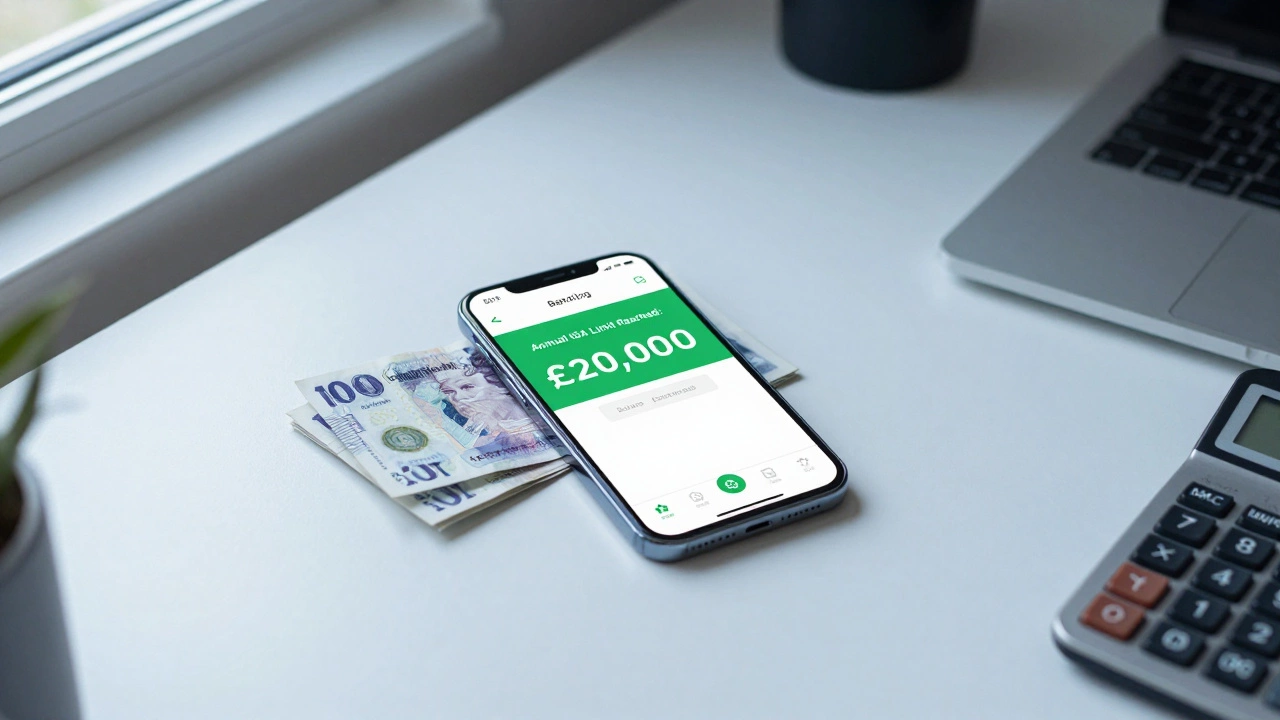
You can't deposit $50,000 in a Cash ISA at once due to the £20,000 annual limit. Learn how to build tax-free savings legally over time.
Read More
Discover the safest places to put your money in 2026. We compare CDIC-insured savings, GICs, and government bonds to help you preserve capital without losing sleep.
Read More
Discover which types of banks are in trouble in 2026 and how to protect your savings. Learn to spot red flags, understand deposit insurance limits, and secure your financial future.
Read More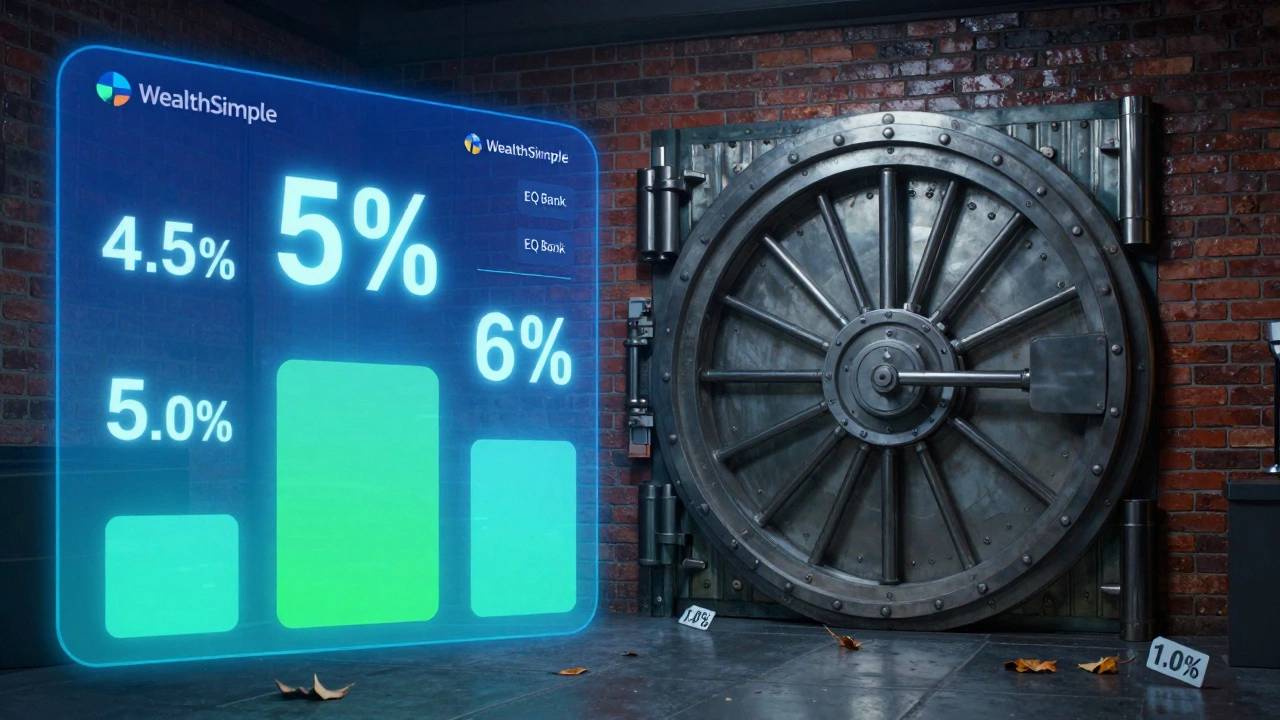
Looking for 7% interest in Canada? We reveal the reality of 2026 savings rates, compare HISAs vs GICs, and show how to maximize returns safely.
Read More