Budgeting Made Simple: Tips, Rules, and Quick Hacks
Want to stop guessing where your cash disappears each month? You’re in the right place. This guide pulls together the most useful budgeting ideas from our articles, so you can start planning your money today without getting tangled in jargon.
Start with the Right Rule
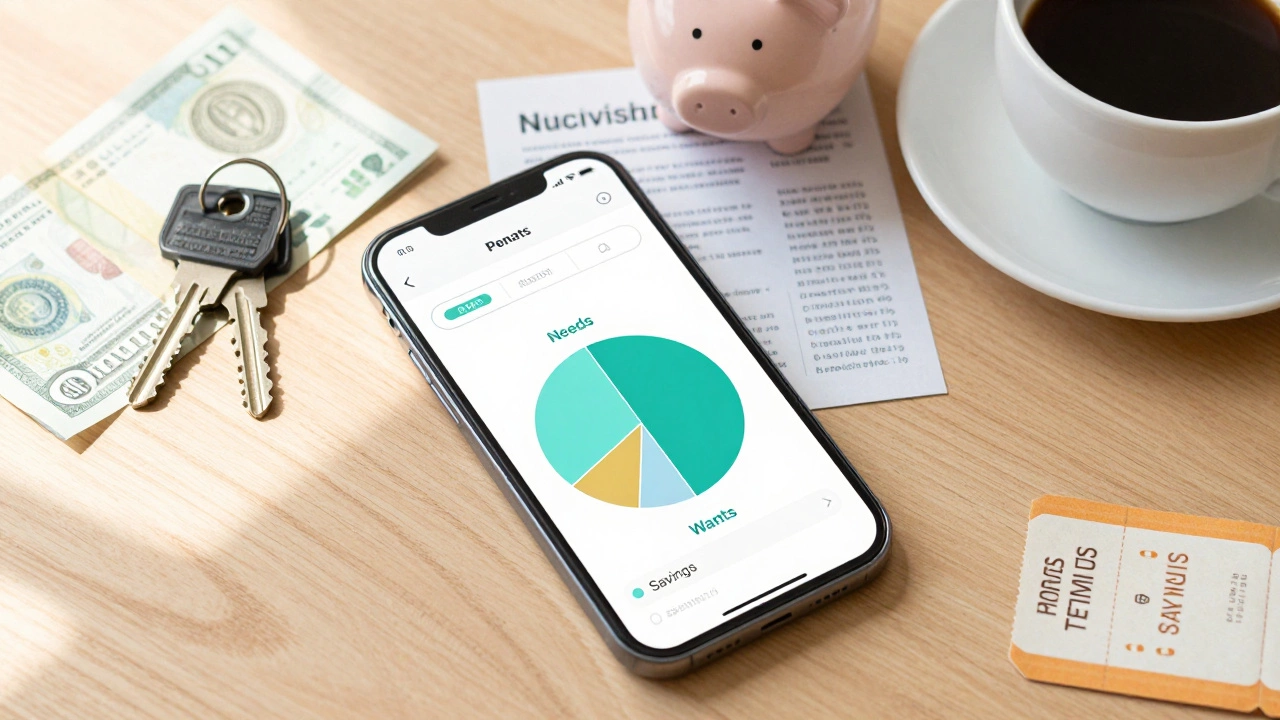
Rules give you a shortcut to a solid budget. The 50/30/20 rule, for example, splits income into needs, wants, and savings – a quick way to see if you’re over‑spending. If you’re looking for a bit more flexibility, try the 30-40-30 rule: 30% for essentials, 40% for savings, and 30% for everything else. Pick one that feels natural, stick to it for a month, then tweak as needed.
Build Your Budget List in Five Steps
When you open a fresh spreadsheet or budgeting app, begin with the five items that matter most: rent/mortgage, utilities, groceries, transport, and debt payments. These are the non‑negotiables that keep your life running. Once they’re in, add discretionary spend like Netflix or dining out. Seeing the whole picture helps you spot unnecessary leaks fast.
Don’t waste space tracking one‑off windfalls or rare expenses. Those irregular items can cloud the real story of your day‑to‑day cash flow. Instead, record them separately and decide whether they go straight to savings, debt, or a fun treat.
Got extra cash after covering all bills? That’s called a budget surplus or leftover budget. Use it wisely: boost your emergency fund, make an extra loan payment, or treat yourself guilt‑free. The key is to have a plan, not just let the money sit idle.
If you need a fast boost, try the $5,000 in three months hack. Cut out one pricey coffee a day, switch to a cheaper phone plan, and sell items you no longer use. Add a side hustle like freelance writing or tutoring for a few extra hours each week. Small changes add up fast, and you’ll see progress without feeling deprived.
Prioritizing the right budget item can save you stress. Most experts say the emergency fund should come first. Keep at least one month’s living costs easily accessible. When that safety net is in place, you can allocate money to other goals without fearing a surprise expense.
Remember, budgeting isn’t about restricting fun; it’s about giving yourself freedom to choose. The 70‑20‑10 rule, for instance, breaks money down into spending, learning, and innovation. Apply it to personal finance by allocating 70% to living costs, 20% to skill‑building (courses, books), and 10% to new ideas or investments.
Finally, keep it simple. Use a budgeting app you like, set up automatic transfers to savings, and review your numbers weekly. A quick check keeps you accountable and lets you adjust before small overspends become big problems.
Ready to take control? Pick one rule, list your five core expenses, and track for the next 30 days. You’ll be surprised how much clearer your financial picture becomes – and how easy it is to stay on track.
How to Successfully Budget: A Practical Guide for Real Life
0 Comments
Discover practical steps to create a realistic budget that fits your life. Learn why rigid plans fail, how to use the 50/30/20 rule, and why automation is key to financial success.
What are the 7 steps in good budgeting? A Practical Guide
0 Comments
Master personal finance with these 7 practical budgeting steps. Learn how to calculate net income, track expenses, set goals, and automate savings for lasting financial freedom.
What is the #1 Rule of Budgeting? The Truth About Tracking Every Penny
0 Comments
Discover the #1 rule of budgeting: tracking every dollar. Learn why awareness beats complex plans, how to start without overwhelm, and practical tools to master your money in 2026.
What Is a 70-15-15 Budget? A Flexible Guide to Managing Money in 2026
0 Comments
The 70-15-15 budget allocates 70% of income to needs, 15% to savings, and 15% to wants. It offers a realistic alternative to the 50/30/20 rule for those in high-cost living areas.
Zero-based budgeting gives every dollar a job before the month begins. It’s not about cutting back - it’s about control. Learn how this method helps people stop living paycheck to paycheck and start building real financial security.
Can You Live on $1000 a Month After Bills? Real Numbers from Toronto
0 Comments
Can you live on $1000 a month after bills in Toronto? Yes-but only with debt consolidation, shared housing, and strict budgeting. Real stories show how people cut costs, use food banks, and escape credit card traps to survive-and even save.
What Is the 40-40-20 Budget Rule and How It Helps You Manage Debt
0 Comments
The 40-40-20 budget rule divides your take-home pay into 40% for needs, 40% for debt repayment, and 20% for savings. It's a powerful tool for getting out of debt faster while still saving for the future.
The simplest budgeting method is zero-based budgeting done the easy way: assign every dollar a job, track what you spend, and adjust monthly. No apps, no stress, just control.
What Is the No Spending Rule? A Simple Way to Reset Your Finances
0 Comments
The no spending rule is a simple budgeting tactic where you spend $0 for a day to break impulse habits and regain control of your money. It's not about deprivation - it's about awareness.