
Do Banks Offer Debt Consolidation Loans? A Complete Guide
 Sep, 3 2026
Debt Consolidation Savings Calculator
Estimate how much you could save by combining your current debts into a single lower-interest loan from a bank or credit union.
Enter your details to see your potential savings.
Estimated Impact
vs current payment
Over the life of the loan
You’re staring at a stack of bills. One from Visa, another from Mastercard, maybe a line of credit that’s been creeping up for months. The interest charges are eating into your paycheck faster than you can earn it. You’ve heard people talk about debt consolidation, and the first place your mind goes is the bank where you already have your checking account. It seems logical, right? They know you, they have your money, so surely they’ll help.
But do banks actually offer these specific types of loans? And if they do, are they always the best deal? The short answer is yes, most major banks offer debt consolidation products, but the details matter more than the headline. In Canada, with interest rates fluctuating and inflation still a concern in 2026, understanding how banks structure these loans can save you thousands. Let’s break down exactly what banks offer, who qualifies, and when you might want to look elsewhere.
What Exactly Is a Bank Debt Consolidation Loan?
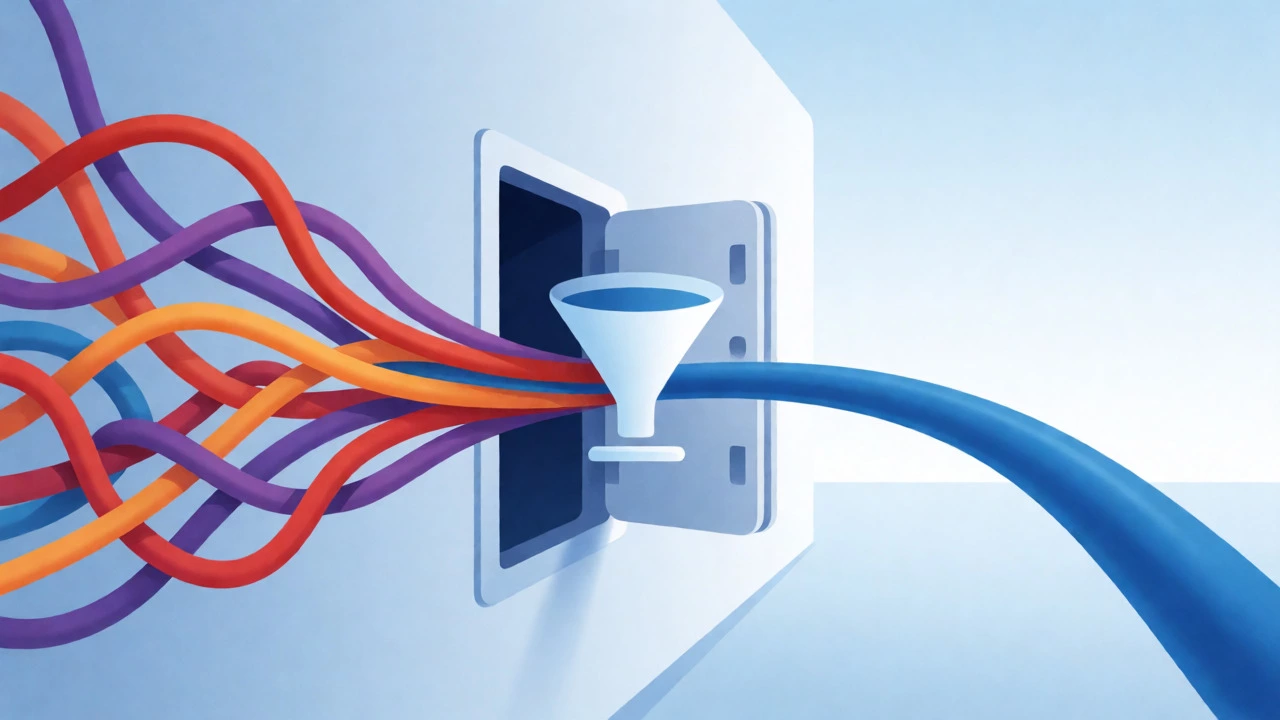
A debt consolidation loan is a type of personal installment loan used to pay off multiple high-interest debts, such as credit cards or store financing, leaving you with a single monthly payment at a lower interest rate. When a bank offers this, they aren’t usually giving you cash to spend freely. Instead, they often pay your creditors directly or give you a check specifically earmarked for debt payoff.
Think of it as a financial reset button. Instead of juggling five different due dates and interest rates-some as high as 20% on credit cards-you get one loan with one rate, say 8% or 9%. This simplifies your life and reduces the total cost of borrowing. However, not all banks treat this product the same way. Some call it a "personal loan," others market it specifically as a "consolidation loan," and some even bundle it into their home equity lines of credit (HELOCs).
How Banks Structure These Loans
Banks generally offer two main pathways for consolidating debt: unsecured personal loans and secured loans using home equity. Each has distinct attributes and risks.
Unsecured Personal Loans are the most common option for those without significant assets. Because there’s no collateral backing the loan, the bank relies entirely on your creditworthiness. If you miss payments, they can’t seize your house, but they can damage your credit score severely. Interest rates here typically range from 7% to 15% depending on your credit score and income stability.
On the other hand, Secured Loans use an asset, usually your home, as collateral. In Canada, this often takes the form of a HELOC or a second mortgage. These rates are significantly lower, often tracking just above the prime rate, because the risk to the bank is minimal. If you default, they can foreclose. This makes them attractive for large debt balances but risky for homeowners with little equity.
Who Qualifies for a Bank Debt Consolidation Loan?
Banks are conservative lenders. Unlike online fintech companies that might approve someone with a spotty credit history, traditional Canadian banks like RBC, TD, or Scotiabank have strict criteria. They want to see proof that you can handle the new payment without falling back into old habits.
- Credit Score: You generally need a credit score of 660 or higher for competitive rates. Below 600, you might be approved, but the interest rate will likely negate the benefits of consolidation.
- Debt-to-Income Ratio (GDS/TDS): Banks calculate your Total Debt Service ratio. Ideally, your total monthly debt payments (including the new loan) should not exceed 40-44% of your gross monthly income. If you’re already at 50%, a bank loan is unlikely.
- Stable Income: Self-employed individuals often face stricter scrutiny. Banks prefer salaried employees with consistent pay stubs. If you’re self-employed, expect to provide two years of tax returns.
- Existing Relationship: Having a checking account or investment portfolio with the bank can sometimes unlock better rates or faster approval, though it doesn’t guarantee approval.
Bank vs. Online Lenders: Making the Choice
It’s tempting to walk into your local branch and sign papers. But is that always the smartest move? Online lenders and credit unions often compete aggressively with banks by offering lower fees or faster approvals. Here’s how they compare.
| Feature | Traditional Bank | Online Lender | Credit Union |
|---|---|---|---|
| Interest Rates | Moderate (7-12%) | Variable (6-18%) | Low (5-9%) |
| Approval Speed | Slow (3-7 days) | Fast (24-48 hours) | Moderate (2-5 days) |
| Application Process | In-person or online | Fully digital | In-person or phone |
| Prepayment Penalties | Common (3-month interest) | Rare or none | Minimal |
| Best For | High-income borrowers | Quick access needed | Local community members |
Banks shine when you have excellent credit and want the security of a large institution. They also offer relationship perks; for example, some banks waive annual fees on credit cards if you hold a mortgage or loan with them. Online lenders, however, are great if you need speed or have a thinner credit file. Credit unions are often the sleeper hit-they’re member-owned, so profits go back to members in the form of lower rates, but you must live or work in their region to join.
The Hidden Costs of Bank Consolidation
Don’t just look at the advertised interest rate. Banks love fine print. Before signing, check for these three things:
- Origination Fees: Some banks charge a fee to process the loan, often 1-2% of the loan amount. On a $20,000 loan, that’s $200-$400 out of your pocket immediately.
- Prepayment Penalties: If you come into extra money and want to pay off the loan early, banks may penalize you. Fixed-rate loans often have a "three months' interest" penalty. Variable-rate loans usually have a simpler penalty structure.
- Insurance Requirements: Banks often push credit life insurance. While optional, salespeople can make it sound mandatory. Decline it unless you genuinely lack emergency savings.
Also, consider the psychological trap. Studies show that many people consolidate their debt, feel relieved, and then run up their credit card balances again because they now have available credit. If you don’t change your spending habits, a consolidation loan just delays the inevitable crash.

When Should You Avoid a Bank Loan?
Not everyone benefits from going through a big bank. You should think twice if:
- Your debt is mostly student loans: Government student loans often have lower rates and flexible repayment options that private bank loans don’t match. Consolidating them into a private loan removes federal protections.
- You plan to sell your home soon: If you’re using a HELOC to consolidate debt, selling your home becomes complicated because the line of credit must be paid off at closing.
- Your credit score is below 600: The interest rate offered by a bank will likely be too high to save you meaningful money compared to keeping your current debts.
Practical Steps to Apply
If you decide a bank loan is the right path, follow this checklist to maximize your chances:
- Pull your credit report: Check for errors before applying. Dispute any inaccuracies with Equifax or TransUnion.
- Calculate your exact payoff amount: Get a statement from each creditor showing the full balance including accrued interest.
- Shop around: Don’t rely on one bank. Get quotes from at least three institutions, including a credit union.
- Pre-qualify: Many banks allow soft checks that don’t hurt your credit score. Use these to compare rates.
- Read the contract: Look specifically for prepayment penalties and fee structures.
Frequently Asked Questions
Does consolidating debt hurt my credit score?
Initially, yes, it might drop slightly due to the hard inquiry when you apply. However, over time, it usually improves your score because you reduce your credit utilization ratio (the amount of credit you’re using compared to your limits) and establish a positive payment history on the new loan.
Can I use a bank debt consolidation loan to pay off my mortgage?
Generally, no. Mortgages are long-term, low-interest secured loans. Using a higher-interest personal consolidation loan to pay off a mortgage would increase your total interest costs. Consolidation is designed for high-interest consumer debt like credit cards.
How long does it take to get approved by a bank?
Traditional banks typically take 3 to 7 business days. This includes underwriting and verification of income. Online lenders can often approve and fund within 24 to 48 hours, while credit unions may vary based on membership requirements.
Is it better to consolidate debt with a bank or a credit card?
A balance transfer credit card with a 0% introductory APR can be cheaper if you can pay off the balance within the promotional period (usually 12-18 months). However, bank loans offer fixed payments and longer terms, which provides more predictability and discipline for larger debts.
What happens if I miss a payment on my consolidation loan?
You’ll incur late fees and potentially higher interest rates. More importantly, missed payments are reported to credit bureaus, damaging your credit score. If you have a secured loan, repeated defaults could lead to foreclosure on your collateral.