
Do You Get a Refund if You Cancel Homeowners Insurance?
 Mar, 1 2026
Home Insurance Refund Calculator
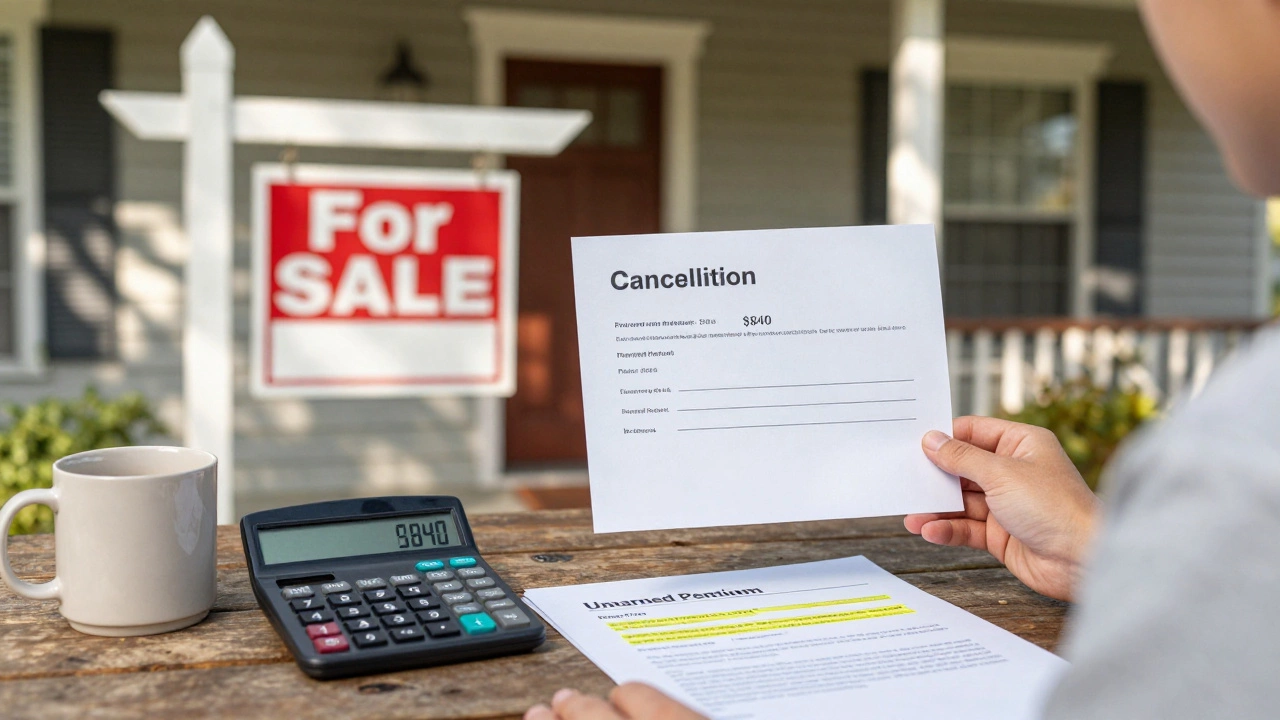
When you cancel your homeowners insurance, you might expect a refund-but it’s not guaranteed. Many people assume canceling means they’ll get all their money back, but the truth is more complicated. The amount you get back depends on how your policy was paid, when you cancel, and what your insurer’s rules are. In Canada, most insurers follow standard practices, but there’s no national law that forces them to refund you. So, if you’re thinking about canceling, here’s exactly what to expect.
How Homeowners Insurance Payments Work
Most people pay their homeowners insurance either monthly, quarterly, or annually. If you pay in full upfront for a year, you’ve essentially prepaid for coverage. If you cancel halfway through, you’ve paid for six months of protection you didn’t use. That’s where refunds come in.
Insurers don’t keep your entire payment. They calculate what’s called a prorated refund. That means they return the portion of your premium that covers the unused time. For example, if you paid $1,200 for a full year and cancel after four months, you’ve used one-third of your coverage. The insurer keeps $400 and refunds you $800.
But here’s the catch: not all policies are created equal. Some insurers charge a cancellation fee, usually between $50 and $100. Others may deduct a small administrative cost before refunding. Always check your policy documents for terms like “cancellation penalty” or “unearned premium calculation.”
When You’re Likely to Get a Refund
You’re almost always entitled to a refund if you cancel for one of these reasons:
- You sold your home and no longer need coverage
- You switched to a new insurer and canceled the old policy
- You paid in advance and canceled before the term ended
- Your mortgage lender no longer requires insurance (rare, but possible)
In these cases, insurers are required to return the unused portion of your premium. In Ontario, the Financial Services Regulatory Authority (FSRA) requires insurers to provide refunds within 30 days of cancellation. Most companies process refunds faster-often within 7 to 14 business days.
When You Might Not Get Anything Back
There are situations where you won’t get a refund at all:
- You canceled because you missed a payment and the policy was canceled for non-payment
- You switched insurers but didn’t cancel the old policy properly-left it active and paid twice
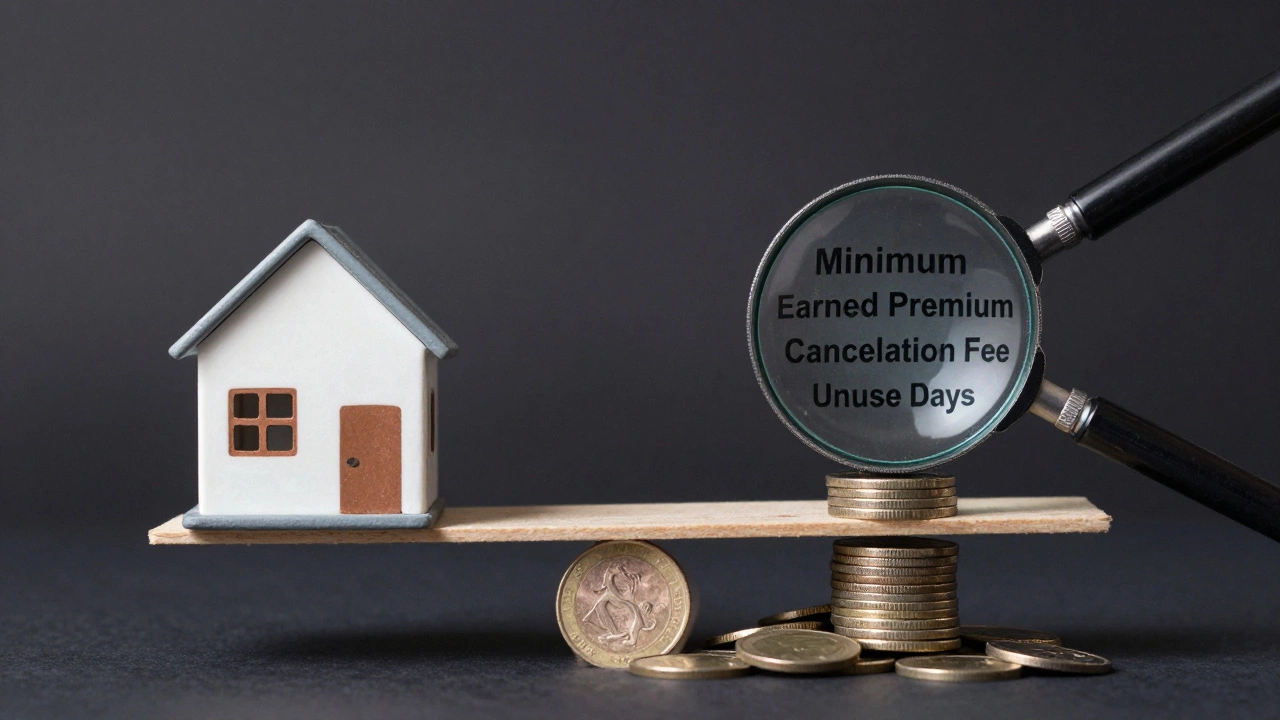
- Your policy had a short-term “minimum earned premium” clause (common in some non-standard policies)
Some insurers, especially those offering high-risk or non-standard home insurance, may have a rule that says you must keep the policy for at least 30 or 60 days before you can get a refund. This is called a “minimum earned premium.” If you cancel before that window, you lose everything. It’s rare with major insurers, but common with smaller or specialty providers.
How to Cancel Properly and Maximize Your Refund
Cancelling homeowners insurance isn’t as simple as calling and saying “I’m done.” Here’s how to do it right:
- Don’t cancel until you have a new policy in place. Going uninsured-even for a day-can leave you exposed to financial risk.
- Contact your insurer in writing. Email or send a letter. Don’t rely on a phone call. Keep a copy.
- Ask for a written cancellation confirmation with the effective date and refund amount.
- Confirm your refund method. Most insurers send refunds by check or direct deposit. Ask how long it will take.
- Notify your mortgage lender if you have one. They need proof that you still have coverage.
Many people forget to notify their lender. If you have a mortgage, your lender likely requires insurance. If you cancel without replacing it, they may force-place insurance on your home-which is almost always more expensive than what you had.
What to Do if You Don’t Get Your Refund
If you canceled properly and haven’t received your refund within 30 days, take these steps:
- Check your bank account and mail for a check
- Contact the insurer’s customer service and ask for a refund status
- Request a written explanation if they say you’re not eligible
- If unresolved, file a complaint with FSRA (in Ontario) or your provincial insurance regulator
Regulators take these issues seriously. In 2024, FSRA resolved over 800 complaints related to insurance refunds, with 92% of them resulting in refunds being issued.
Refund Calculator: How Much Could You Get Back?
Here’s a simple way to estimate your refund:
- Take your annual premium
- Divide by 12 to get your monthly cost
- Multiply by the number of months left in your term
- Subtract any cancellation fee (if applicable)
Example: You paid $1,440 for a year. You cancel after 5 months. That leaves 7 months unused.
- $1,440 ÷ 12 = $120 per month
- $120 × 7 = $840
- Minus $75 cancellation fee = $765 refund
Most major insurers like Intact, Aviva, and TD Insurance use this method. Always ask for a written estimate before canceling.
What Happens If You Cancel and Don’t Replace It?
Even if you’re getting a refund, canceling without replacing coverage is risky. If your home catches fire, floods, or is burglarized while uninsured, you’re on the hook for everything. In Canada, home insurance isn’t legally required-but your mortgage lender will require it. If you cancel and don’t replace it, they’ll step in with force-placed insurance. That policy typically costs 2 to 3 times more than what you paid before.
Also, if you ever try to get insurance again after a lapse, insurers may see you as a higher risk. You could pay more for your next policy-or be denied coverage altogether.
Common Myths About Canceling Home Insurance
- Myth: You get a full refund if you cancel early. Truth: You get a prorated refund minus fees.
- Myth: Canceling affects your credit score. Truth: Canceling a policy doesn’t show up on your credit report.
- Myth: You can cancel anytime without penalty. Truth: Some policies have minimum earned premiums or cancellation fees.
- Myth: Your new insurer will handle the cancellation. Truth: You must cancel the old one yourself. Don’t assume they’ll do it.
Do I get a refund if I cancel my homeowners insurance early?
Yes, you typically get a prorated refund for the unused portion of your policy, minus any cancellation fees. Most major insurers in Canada calculate this based on the number of days or months remaining. For example, if you paid for a full year and cancel after 3 months, you’ll get back about 75% of your premium, less any fees.
Can I cancel my homeowners insurance at any time?
Yes, you can cancel at any time, but it’s not always wise. If you have a mortgage, your lender will require you to maintain coverage. Canceling without replacing it could trigger force-placed insurance, which is more expensive. Also, some policies have minimum earned premiums-meaning you could lose your entire payment if you cancel too soon.
How long does it take to get a refund after canceling home insurance?
Most insurers issue refunds within 7 to 14 business days. By law, they must process it within 30 days in Ontario and most other provinces. If you haven’t received your refund after 30 days, contact your insurer and request a written explanation. If unresolved, you can file a complaint with your provincial insurance regulator.
Will canceling home insurance affect my credit score?
No, canceling your homeowners insurance does not affect your credit score. Insurance cancellations are not reported to credit bureaus like Equifax or TransUnion. However, if you cancel because you couldn’t pay, and your insurer reports unpaid premiums as a collections account, that could hurt your credit. That’s rare, though.
What happens if I cancel without having a new policy?
If you cancel without replacing your homeowners insurance, you’re leaving your home unprotected. If damage occurs-like a fire, flood, or break-in-you’ll have to pay for repairs out of pocket. If you have a mortgage, your lender will likely buy force-placed insurance on your behalf, which is often much more expensive than your original policy. Avoid this at all costs.
Final Thoughts
Cancelling your homeowners insurance doesn’t automatically mean you’ll get money back-but in most cases, you will. The key is to do it right: keep your new policy active first, cancel in writing, and understand your insurer’s terms. Don’t assume you’ll get everything back. Always ask for a written estimate of your refund before canceling. And never go without coverage unless you’re ready to pay for disaster yourself.