
Easiest Loans for Bad Credit: Top Options to Get Approved Fast
 Oct, 18 2026
Bad Credit Loan Finder
Find the easiest loan approval path for your situation. Answer three simple questions below.
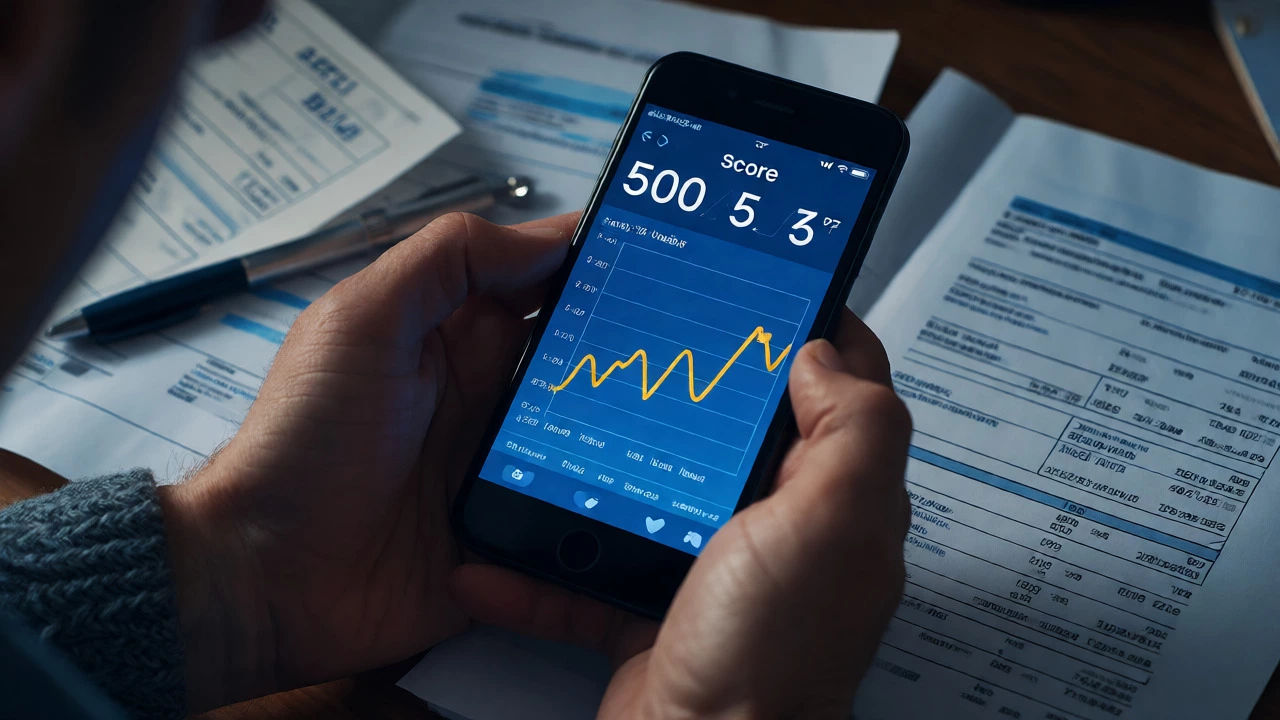
You check your credit report and see a score in the low 500s. You need cash-maybe for a car repair, a medical bill, or just to bridge a gap until payday-and you assume every bank will slam the door in your face. That’s not entirely true. While traditional banks like Chase or Wells Fargo might pass on you, there are specific lending products designed exactly for this scenario. The easy loan for bad credit isn't necessarily the one with the lowest interest rate; it's the one with the highest approval odds based on your current financial reality.
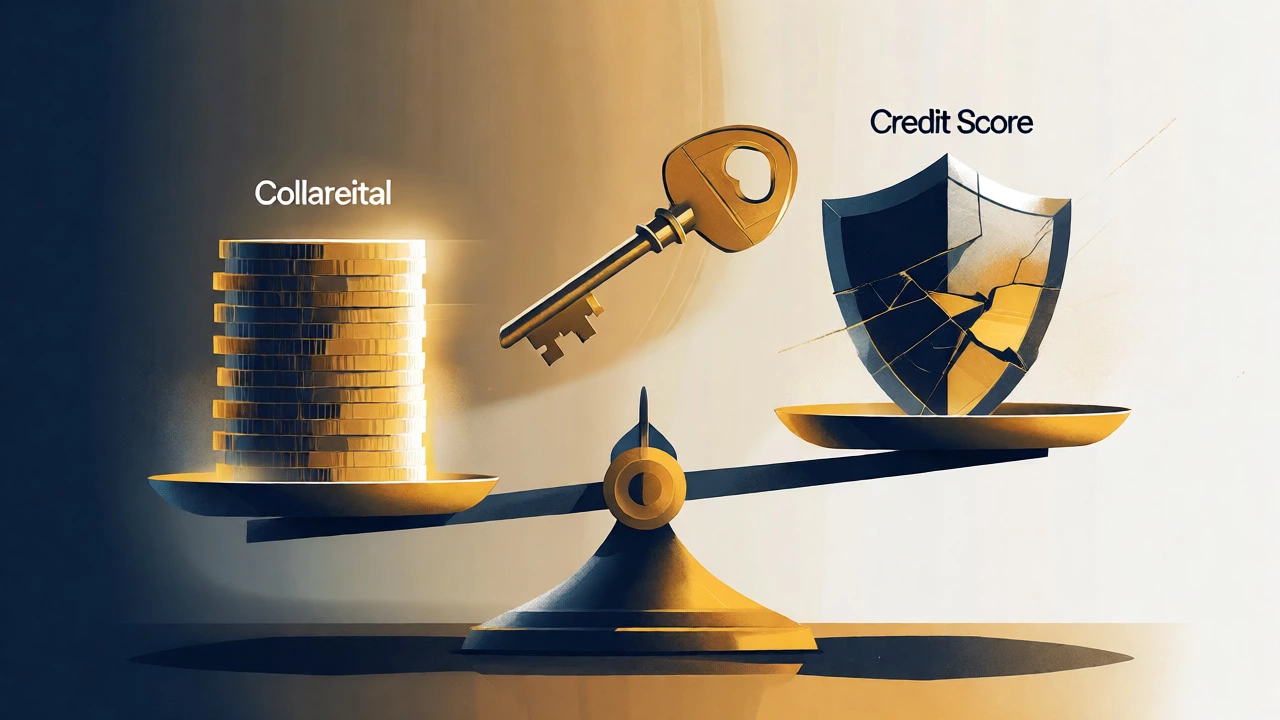
Let's be real: getting approved when your credit is messy comes down to risk management. Lenders want to know how they get paid back if things go wrong. If you can offer them collateral, a co-signer, or proof of steady income, you shift the balance in your favor. This guide breaks down which loan types actually say "yes" to low scores, what traps to avoid, and how to structure your application so you don't end up deeper in debt than you started.
The Quick Answer: Which Loan Gets You Approved Fastest?
If you need money today and have a credit score below 600, three options stand out above the rest. They prioritize different aspects of your financial life, so pick the one that matches your situation best.
- Secured Personal Loans: These require you to put up collateral, usually a savings account or certificate of deposit (CD). Because the lender holds your money as security, they care less about your credit history. Approval rates here are extremely high, often near 100% if you have the funds to secure the loan.
- Payday Alternative Loans (PALs): Offered by federal credit unions, these are small-dollar loans ($200 to $1,000) with capped interest rates. They are far cheaper than payday lenders and much easier to qualify for because credit unions focus on membership and relationship rather than just a FICO score.
- Credit Builder Loans: Technically, you don't get the cash upfront. The lender puts the loan amount into a locked savings account, and you make monthly payments to unlock it. It’s the easiest way to build credit, but not ideal if you need immediate liquidity for an emergency.
Why Secured Loans Are the Path of Least Resistance
A secured loan is a type of debt where the borrower pledges an asset as collateral. For someone with bad credit, this is the ultimate cheat code. Think of it this way: if you walk into a store with $1,000 in cash and ask to borrow $900, the storekeeper won't check your credit score. They know you have the cash sitting right there. If you default, they keep the cash. Banks operate similarly.
Most major banks and online lenders like Discover Bank and Citizens Bank offer secured personal loans. The process is straightforward. You open a CD or savings account with the lender for the amount you want to borrow. Then, you take out a loan against that account. Your credit score still matters slightly for pricing, but it rarely affects approval. If you have $2,000 in savings, you can likely get a $1,800 loan even with a 520 score.
The catch? Your money is locked up. You can't spend that collateral while the loan is active. But once you pay off the loan, you get your original deposit back, plus any interest the savings account earned. It’s a forced savings plan that also boosts your payment history, which accounts for 35% of your FICO score.
Payday Alternatives: The Credit Union Secret
Many people with bad credit fall into the trap of payday loans, which are short-term, high-cost loans typically due on your next payday. A typical payday loan charges $15 per $100 borrowed, which translates to an APR of nearly 400%. If you roll it over, you're stuck in a cycle of fees.
Payday Alternative Loans (PALs) are small-dollar loans offered by federal credit unions to provide a safer option for borrowers who need quick cash. The National Credit Union Administration (NCUA) regulates PALs strictly. Here’s why they are easier to get:
- Membership First: You usually need to be a member of the credit union for at least one month. This builds a relationship, making the lender more willing to overlook a past delinquency.
- Income Focus: Underwriters look at your employment stability and bank account activity rather than obsessing over a three-digit number.
- Fee Caps: The NCUA caps the application fee at $20 and limits the APR to 28%, which is a fraction of what predatory lenders charge.
To find a PAL, search for "federal credit unions near me" and call ahead. Ask specifically if they offer PALs. Not all do, but many large ones like Navy Federal or Alliant do. Be prepared to show recent pay stubs and bank statements.
Online Lenders: Speed vs. Cost Trade-Off
If you don't have collateral and aren't interested in joining a credit union, online lenders are your next stop. Companies like Upstart, Avant, and LendingPoint use algorithms that consider education, job history, and banking data alongside your credit score. This means you might get approved with a 580 score at Upstart if you have a stable tech job, whereas a traditional bank might reject you.
However, "easiest to approve" doesn't mean "cheapest." Online lenders compensate for higher risk by charging higher interest rates. Expect APRs between 20% and 40%. While that’s steep, it’s infinitely better than the 400%+ APR of a payday loan. Always calculate the total cost before signing. Use this formula:
| Loan Type | Approval Ease | Typical APR Range | Best For | Key Requirement |
|---|---|---|---|---|
| Secured Loan | Very High | 8% - 15% | Building credit & lower cost | Cash collateral (Savings/CD) |
| Payday Alternative (PAL) | High | 20% - 28% | Small, urgent needs (<$1k) | Credit Union Membership |
| Online Personal Loan | Moderate-High | 20% - 40% | Larger amounts ($1k-$5k) | Steady Income & Bank Data |
| Credit Card Cash Advance | High | 25% - 30% | Emergency only | Existing Credit Limit |
The Trap of "No Credit Check" Loans
You’ll see ads screaming "No Credit Check!" These are tempting, but dangerous. Most no-credit-check loans are either payday loans, pawn shop loans, or title loans. Title loans, in particular, are risky. If you miss a payment, the lender can repossess your car. Given that transportation is essential for keeping your job, losing your vehicle can spiral into unemployment and further debt.
Before accepting a no-credit-check offer, ask these three questions:
- What is the exact APR? (If it’s over 36%, think twice.)
- Is there a prepayment penalty? (You want to pay it off early to save interest.)
- Who services the loan? (Avoid unknown third-party servicers with poor reviews.)
Legitimate lenders will always disclose the APR clearly. If they hide it or call it a "fee," run away.

How to Improve Your Odds Before Applying
Even for easy loans, presentation matters. Lenders want to see stability. Here is a checklist to boost your approval chances before you hit submit:
- Check Your Report for Errors: Go to AnnualCreditReport.com (free weekly through 2026) and dispute any incorrect late payments. Sometimes fixing one error bumps your score enough to move from a subprime tier to a prime-adjacent tier.
- Reduce Debt-to-Income Ratio: If you have other small debts, pay them off first. Lowering your monthly obligations makes you look less risky.
- Gather Documentation: Have two months of pay stubs, your last two bank statements, and ID ready. Incomplete applications cause delays and sometimes automatic denials.
- Apply Within a Short Window: Multiple hard inquiries within 14-45 days usually count as one for scoring purposes. Shop around quickly to compare rates without tanking your score.
FAQ: Common Questions About Bad Credit Loans
Can I get a loan with a 500 credit score?
Yes, absolutely. With a 500 score, your best options are secured loans, credit builder loans, or payday alternative loans from credit unions. Traditional unsecured personal loans from major banks are unlikely, but online lenders specializing in subprime borrowers may approve you with a higher interest rate. Focus on demonstrating steady income and low existing debt.
Do secured loans hurt my credit if I pay them off?
No, paying off a secured loan generally helps your credit. On-time payments report to the credit bureaus, building a positive history. When you close the loan, the account remains on your report as "paid in full," which looks good. Just ensure the lender reports to all three major bureaus (Equifax, Experian, TransUnion).
Is it better to use a credit card cash advance or a bad credit loan?
It depends on the amount and duration. Cash advances start accruing interest immediately (no grace period) and often have fees of 3-5%. However, if you can pay it back in one month, it might be cheaper than a loan with origination fees. For anything longer than two months, a dedicated bad credit loan with a fixed repayment schedule is usually safer and more predictable.
What is the minimum income required for these loans?
There is no universal standard, but most online lenders require a minimum annual income of $15,000 to $20,000. Credit unions may accept lower incomes if you have a strong banking relationship. Secured loans often have no minimum income requirement since the collateral covers the risk.
Will checking my own credit score affect my eligibility?
No. Checking your own credit score is considered a "soft inquiry" and does not impact your score or your eligibility for loans. Only when a lender pulls your report for an actual application does it become a "hard inquiry," which can temporarily lower your score by a few points.