
Remortgaging Checklist: Documents and Steps You Need in 2026
 May, 21 2026
Remortgage Readiness Checklist & Estimator
Document Readiness Check
Select the documents you have gathered. Lenders require these to process your application in 2026.
Identity & Legal
Income (Salaried)
Income (Self-Employed)
Income (Retiree)
Property & Existing Mortgage
Start checking off documents to see your readiness status.
Potential Savings Estimator
Calculate if remortgaging makes sense by comparing your current rate with a potential new rate.
You’ve noticed your mortgage rate is higher than what’s being advertised on the news. It feels like everyone else is saving hundreds of dollars a month by switching lenders. But before you can lock in that lower rate, you have to navigate a mountain of paperwork. The good news? You don’t need to be an accountant to get it done. You just need the right files.
Remortgaging isn't just about signing a new contract. It’s a fresh application for credit. Lenders will scrutinize your finances again, almost as if you’re buying a home for the first time. If you are missing a single document, the process stalls. In 2026, with digital verification becoming standard, speed matters more than ever. Here is exactly what you need to gather, organize, and present to secure your new deal without delays.
The Core Financial Documents
The foundation of any remortgage application is proof of income. Lenders need to verify that you can afford the monthly payments under the new terms. This is non-negotiable. Whether you are employed, self-employed, or retired, the specific documents vary, but the goal is the same: transparency.
If you work for an employer, you typically need your most recent pay stubs-usually covering the last 30 days. Alongside this, provide your T4 slips from the last two tax years. These official government forms confirm your total earnings and deductions. For those who receive bonuses or commissions, include bank statements showing these deposits over the past 12 months. Consistency is key here; lenders look for stable income patterns.
| Employment Status | Primary Documents | Secondary/Supporting Docs |
|---|---|---|
| Salaried Employee | Recent pay stubs (last 30 days), T4 slips (last 2 years) | Employer contact info, offer letter (if new job) |
| Self-Employed / Freelancer | Notice of Assessment (NOA) from CRA (last 2 years), Business tax returns | Year-to-date profit & loss statement, client contracts |
| Retiree | Pension statements, CPP/OAS notices, Investment dividend records | RRIF withdrawal schedules |
For self-employed individuals, the bar is slightly higher. You’ll need your Notice of Assessment (NOA) from the Canada Revenue Agency (CRA). This document proves you filed your taxes and shows your net income after business expenses. Most lenders require NOAs for the last two years. If you haven’t filed your most recent taxes yet, you may need to wait until they are processed, or provide a detailed year-to-date financial statement prepared by an accountant. Don’t guess your income; let the tax forms speak for you.
Proof of Identity and Legal Status
Before looking at your money, lenders must verify who you are. This is part of the "Know Your Client" (KYC) regulations enforced by financial institutions to prevent fraud and money laundering. You cannot skip this step.
You will need a valid government-issued photo ID. A driver’s license or passport is standard. If your name has changed recently due to marriage or other reasons, you must also provide legal documentation of that change, such as a marriage certificate or court order. Ensure the name on your ID matches the name on your bank accounts and existing mortgage. Discrepancies here cause unnecessary back-and-forth with the underwriter.
If you are not a Canadian citizen, you may also need to provide proof of your status, such as a Permanent Resident card or a valid work permit. Lenders assess the stability of your residency status when determining loan eligibility.
Property Valuation and Title Details
Your home is the collateral for the loan. The lender needs to know its current market value and ensure there are no legal issues with the title. In many cases, especially for straightforward rate-and-term refinances, the lender will order an automated valuation model (AVM) estimate. However, they may still request a formal appraisal.
You should have your most recent property tax assessment handy. While the municipal assessment might differ from the market value, it provides a baseline for the lender. Additionally, check your current mortgage statement for the exact payoff amount. This figure includes the principal balance plus any accrued interest up to the date of payout. Knowing this number helps you calculate how much equity you have available to borrow against.
In Toronto, where real estate values fluctuate, an accurate valuation is crucial. If you plan to use the remortgage to fund renovations, the lender might require a separate inspection report to ensure the work adds value to the property. Get this sorted early so it doesn’t delay closing.
Credit History and Score Preparation
Your credit score is the lens through which lenders view your risk. A higher score often translates to a better interest rate. Before applying, pull your credit report from Equifax or TransUnion. Both bureaus offer free annual reports, and many banks provide instant access via their mobile apps.
Look for errors. Incorrect late payments or accounts that don’t belong to you can drag down your score. Dispute any inaccuracies immediately. Also, review your debt-to-income ratio (DTI). This metric compares your monthly debt payments to your gross monthly income. Lenders prefer a DTI below 43%, though some flexible programs allow higher ratios if you have significant equity.
Avoid opening new credit cards or taking out large loans during the remortgage process. New credit inquiries can temporarily dip your score, and increased debt obligations raise your DTI. Keep your financial behavior consistent until the funds close.

Existing Mortgage and Insurance Papers
You’ll need details about your current mortgage. Specifically, find your mortgage discharge statement or contact your current lender to get the redemption statement. This document outlines any fees associated with breaking your current contract. In Canada, prepayment penalties can be steep if you are on a fixed-rate term. Calculating this cost is essential to determine if remortgaging actually saves you money.
Home insurance is another critical piece. Lenders require proof that your property is insured against fire, liability, and other perils. Provide your current policy declaration page. If you are switching insurers as part of the move, ensure there is no gap in coverage. Some lenders may even require you to purchase their branded insurance product, though this is less common now.
Organizing Your Digital File
In 2026, most applications are submitted online. Scanning physical papers into a single, well-organized PDF folder is the best way to speed up processing. Name your files clearly: “PayStub_May2026.pdf”, “T4_2025.pdf”, “DriversLicense.pdf”. Avoid generic names like “scan001.jpg”.
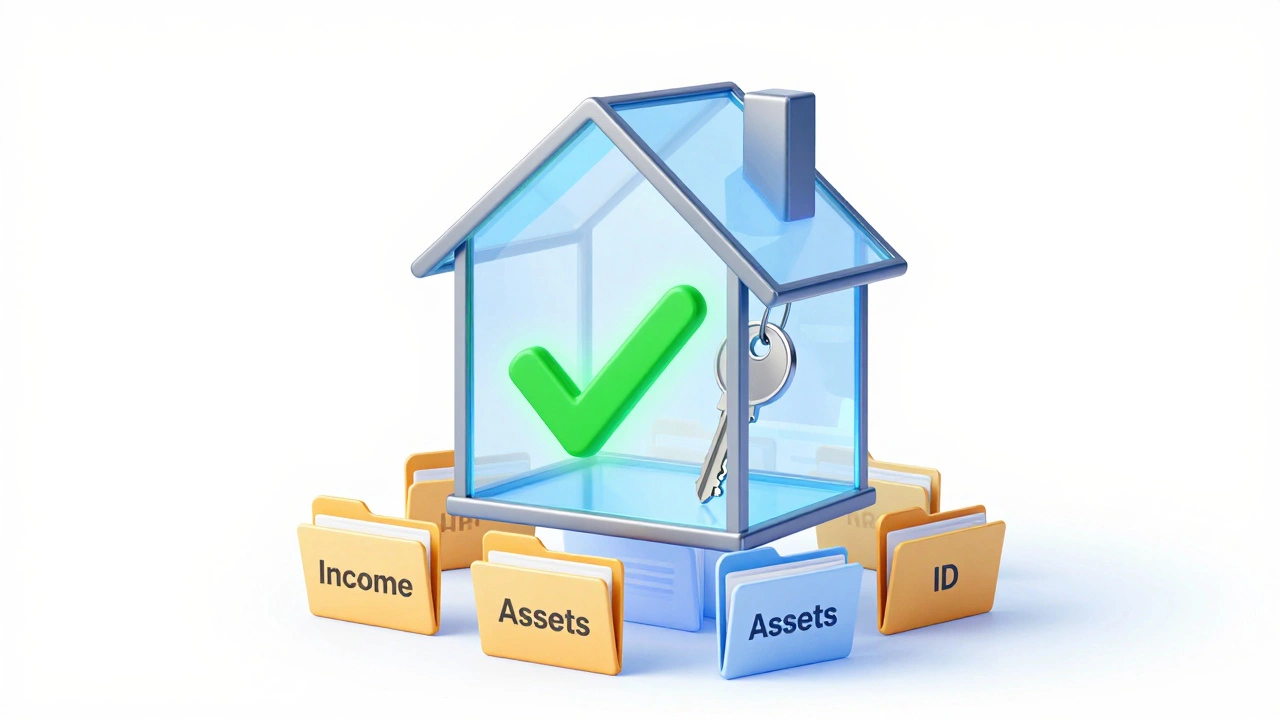
Create subfolders if necessary: Income, Assets, Liabilities, Property, ID. Upload these in batches rather than all at once if the portal allows it. This helps the underwriter locate documents quickly. If you miss something, they will pause the file and email you, adding days to the timeline. Proactive organization prevents reactive delays.
How long does the remortgaging process take?
Typically, the remortgaging process takes between 30 to 45 days in Canada. This includes the application, approval, appraisal, and closing stages. Having all documents ready upfront can shorten this to as little as 21 days, provided there are no complications with your credit or property title.
Do I need a lawyer for remortgaging?
Yes, in most provinces including Ontario, you need a real estate lawyer to handle the discharge of your old mortgage and the registration of the new one. The lawyer ensures the title is clear and that the legal transfer of debt is recorded correctly with the land registry office. Costs usually range from $1,000 to $2,000 plus disbursements.
Can I remortgage if my credit score is bad?
It is possible, but options are limited and rates will be higher. Traditional lenders typically require a minimum score of 680. If your score is lower, you may need to look at alternative lenders or mortgage brokers who specialize in non-conforming loans. These loans often come with higher interest rates and stricter terms.
What happens to my current mortgage when I remortgage?
Your current mortgage is paid off in full using the proceeds from the new loan. This is called a discharge. Any remaining funds from the new loan, after paying off the old balance and closing costs, are disbursed to you. You then begin making payments on the new mortgage according to its terms.
Are there hidden costs in remortgaging?
Beyond legal fees and appraisals, watch out for prepayment penalties on your existing fixed-rate mortgage. These can be calculated as three months’ interest or an Interest Rate Differential (IRD), which can be substantial. Also, some lenders charge administrative fees or require private mortgage insurance (PMI) if your loan-to-value ratio exceeds 80%.