
Student Loans and Credit Scores: How They Really Affect Your Financial Health
 Feb, 5 2026
Credit Score Impact Calculator
Calculate Your Credit Impact
Contrary to popular belief, student loans don't automatically hurt your credit. In fact, they can be a powerful tool for building credit history-if you manage them right. Many people assume that taking on debt is always bad for your credit score, but that's not true. Student loans, when handled responsibly, actually help create a solid credit foundation. Let’s break down exactly how student loans affect your credit in Canada.
How Student Loans Affect Your Credit Score
Your credit score in Canada is calculated by Equifax and TransUnion. It's a three-digit number between 300 and 900. Lenders use this number to decide whether to approve you for loans or credit cards. The score is based on several factors. Payment history is the biggest piece-about 35% of your score. Then there's the amount of debt you owe (30%), how long you've had credit (15%), the mix of credit types (10%), and new credit applications (10%).
Student loans are installment loans, which means they don't affect your credit utilization ratio (the percentage of available credit you're using). Credit utilization mainly applies to revolving credit like credit cards. Instead, student loans help build your credit mix. Having a variety of credit types shows lenders you can handle different kinds of debt responsibly.
The Good: Building Credit with Student Loans
Making on-time payments on your student loans is the best way to boost your credit score. Each payment you make on time adds positive history to your credit report. Over time, this builds trust with lenders. For example, if you start paying off your loans right after graduation, your credit history grows longer. A longer credit history typically leads to higher scores.
In Canada, the National Student Loans Service Centre reports your payment activity to credit bureaus. So every time you pay your loan on time, it shows up on your report. This is especially helpful for young adults who may not have much credit history otherwise. Student loans can be your first step toward building solid credit.
The Risks: When Student Loans Hurt Your Credit
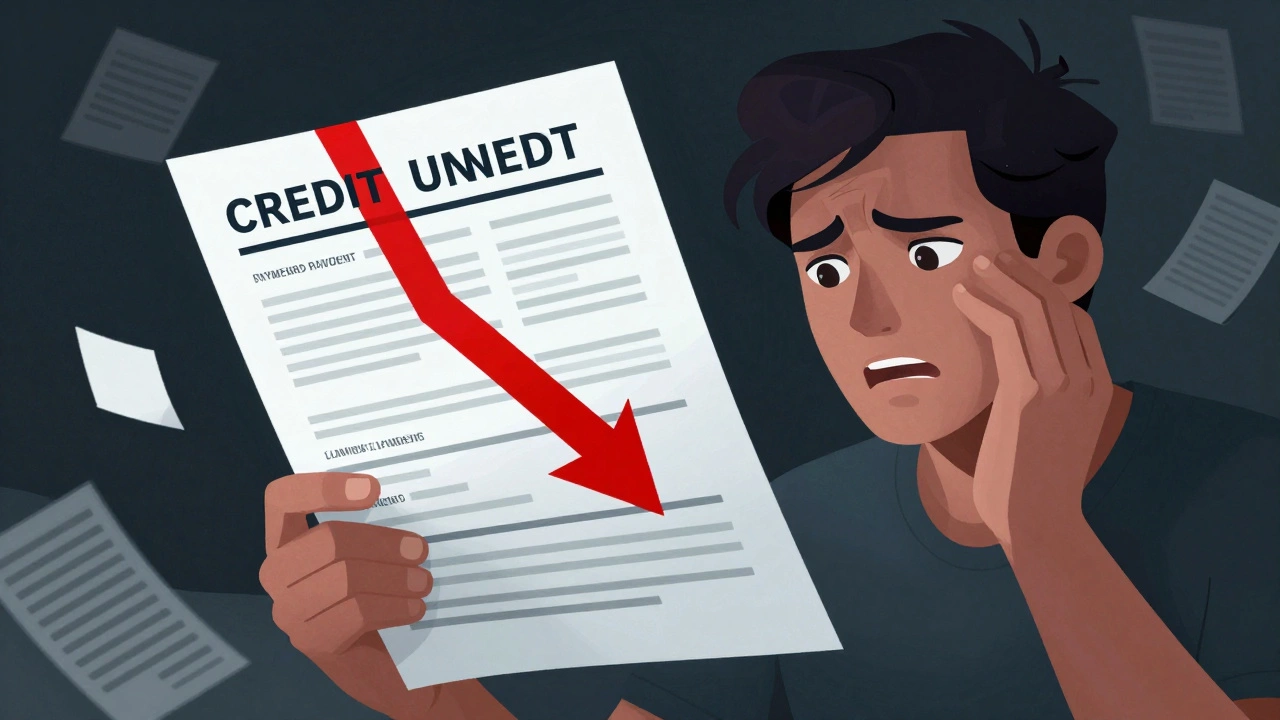
The flip side is that mismanaging student loans can hurt your credit. Missed payments are reported to credit bureaus after 30 days. Each late payment can lower your score by 50-100 points. If you miss multiple payments, your loan could go into default.
In Canada, defaulting on federal student loans happens after nine months of non-payment. Once in default, your credit score plummets. A default stays on your credit report for six years from the date it occurred. During that time, it's harder to get approved for mortgages, car loans, or even cell phone plans. Defaulting also means your loan balance may increase due to collection fees and interest.
How to Manage Student Loans to Protect Your Credit
Here are key ways to manage your student loans responsibly:
- Set up automatic payments: Most lenders offer a small interest rate discount. In Canada, the National Student Loans Service Centre automatically applies a 0.5% reduction for auto-pay. This small discount adds up over time and ensures you never miss a payment.
- Explore Repayment Assistance Plan (RAP): This program adjusts your payments based on income and family size. It keeps your loans current and prevents default. In Ontario, OSAP borrowers can apply through the NSLSC. In British Columbia, similar options exist through Student Aid BC.
- Avoid forbearance: While it pauses payments, it doesn't build positive credit history. RAP is a better option for temporary hardship because it keeps payments active.
When applying for a mortgage, lenders look at your debt-to-income ratio. Student loans increase this ratio, which could make it harder to qualify. However, consistent on-time payments demonstrate financial responsibility, which can offset this effect. Lenders prefer borrowers with a history of managing debt well, even if they have student loans.
Debunking Common Myths
Myth: Taking out student loans hurts your credit score.
Truth: The initial hard inquiry when applying for a loan might cause a tiny dip, but this is temporary. Once you start making payments, the positive impact quickly outweighs the initial dip.
Myth: Student loans are too big to help your credit.
Truth: The amount of your loan doesn't matter. What counts is consistent on-time payments. Even a small loan paid on time builds credit just as effectively as a large one.
Myth: You can't build credit without a credit card.
Truth: Student loans are a fantastic way to build credit without a credit card. They add to your credit mix and payment history, which are key factors in your score.
Myth: Paying off student loans early hurts your credit.
Truth: Paying off loans early doesn't hurt your credit. It actually reduces your debt-to-income ratio and shows financial discipline. However, keeping the loan open and making on-time payments for the full term can build a longer credit history. But early payoff is still positive.
What to Do If You're Struggling
If you're having trouble making payments, don't wait until it's too late. Contact your lender immediately. In Canada, the National Student Loans Service Centre offers multiple support options. For example, you can apply for Repayment Assistance Plan, which adjusts payments based on your income. You can also request interest relief, which temporarily stops interest from accruing.
In Canada, you're entitled to a free credit report from Equifax and TransUnion once a year. Check your report regularly to ensure your student loan payments are being reported correctly. Dispute any errors immediately to keep your credit score accurate. It takes about 30 days to receive by mail, but online requests are faster.
Do student loans hurt your credit score?
No, student loans don't automatically hurt your credit score. In fact, they can help build your credit history when you make on-time payments. The key is managing them responsibly. Late or missed payments will hurt your score, but consistent payments improve it.
How long do student loans stay on your credit report?
Positive payment history stays on your credit report for up to 10 years after the loan is paid off. Negative items like late payments or defaults stay for six years from the date of the delinquency. In Canada, once a loan is fully repaid, the positive history remains visible to lenders, which helps future credit applications.
Can I improve my credit score while paying off student loans?
Absolutely. Making on-time payments is the most effective way. Also, keeping your student loans current and using programs like Repayment Assistance Plan to avoid missed payments will help. Over time, your credit history grows longer, which positively impacts your score.
What happens if I default on my student loans in Canada?
Defaulting on federal student loans in Canada occurs after nine months of non-payment. This severely damages your credit score and stays on your report for six years. You'll also face collection actions, including wage garnishment and loss of tax refunds. Defaulting makes it much harder to get approved for future loans or credit.
Are there programs to help with student loan repayment in Canada?
Yes. The Repayment Assistance Plan adjusts your payments based on your income and family size. Interest relief programs also temporarily stop interest from accruing. These options are available through the National Student Loans Service Centre and provincial agencies like OSAP in Ontario.