
The Reality of 1000x Crypto Gains: High-Risk Strategies and Warning Signs for 2026
 Jul, 27 2026
Crypto 1000x Market Cap Calculator
Investment Parameters
Risk Profile Comparison
| Asset Type | Typical Market Cap | Risk Level | Potential Return | Liquidity |
|---|---|---|---|---|
| Bitcoin (BTC) | $500B - $1T+ | Low-Medium | 10% - 50% | Very High |
| Ethereum (ETH) | $200B - $500B | Medium | 20% - 100% | High |
| Mid-Cap Altcoins | $10M - $100M | High | -50% to +500% | Medium |
| Micro-Cap / Meme Coins | $10k - $1M | Extreme | -99% to +1000x | Low |
Let’s be honest with each other. If you are searching for a cryptocurrency that will give you a 1000x return in 2024, you are likely chasing a ghost. It is July 2026 now. Looking back at the market from this vantage point, we can see clearly what happened during those speculative months. The promise of turning $100 into $100,000 is the oldest hook in the book of digital asset marketing. It triggers greed, fear of missing out (FOMO), and hope. But does it work? For the vast majority of people, no. In fact, it usually works against them.
To understand why finding a "1000x coin" is nearly impossible for the average investor, we have to look at the math, the mechanics of the market, and the psychology behind these pumps. This isn't about killing your dreams; it's about protecting your capital. Whether you are looking for the next big thing or trying to recover past losses, understanding the reality of exponential gains is crucial.
The Math Behind the Miracle
A 1000x return means a 100,000% increase in value. To achieve this, an asset must grow from a tiny market capitalization to a massive one. Let's break down the numbers because they tell a story that hype often hides.
If you buy a token with a market cap of $100,000, a 1000x gain brings it to $100 million. That is achievable. Many projects reach this stage. However, if you buy a coin with a market cap of $1 billion, a 1000x gain would require it to reach $1 trillion. Bitcoin, the largest cryptocurrency by market cap, has historically hovered between $500 billion and $1.3 trillion. For a new, unknown project to surpass Bitcoin's total value requires not just adoption, but global systemic change.
This creates a fundamental paradox for investors seeking 1000x returns:
- Low Market Cap Coins: These have the mathematical room to grow 1000x. However, they are incredibly risky. They often lack liquidity, have unproven teams, and are prone to manipulation.
- High Market Cap Coins: These are safer and more established (like Ethereum or Solana). But their size makes 1000x growth mathematically improbable in a short timeframe.
You cannot have both safety and extreme exponential growth. You must choose one side of the spectrum. Most people want both, which is why they get burned.
The Anatomy of a 1000x Candidate
When we look back at the few tokens that did achieve near-1000x gains in previous cycles, certain patterns emerge. These aren't guarantees, but they are the common threads found in successful outliers.
First, Meme Coins are cryptocurrencies driven primarily by social media trends and community sentiment rather than underlying technology or utility. Tokens like Dogecoin or Shiba Inu saw massive gains not because of code upgrades, but because of viral attention. In 2024, the meme coin sector was particularly volatile. Projects launched on platforms like Solana or Ethereum Layer 2 networks could go from zero to millions in hours. But for every winner, there were thousands of losers.
Second, timing is everything. A 1000x gain rarely happens overnight. It usually occurs over months or years, starting from the absolute bottom. If you enter when the hype is already peaking, you are buying the top. The early adopters who got 1000x were often developers, insiders, or bots that bought within seconds of launch. By the time a regular user sees a tweet about it, the easy money is gone.
Third, narrative alignment matters. In 2024, narratives around AI-integrated blockchains, Real World Assets (RWA), and decentralized physical infrastructure networks (DePIN) drove significant interest. Projects that fit these stories attracted capital quickly. However, fitting a narrative doesn't mean success. It just means visibility.
The Hidden Dangers: Rug Pulls and Scams
If someone promises you a 1000x return, run. That is the single most important piece of advice in this article. High reward always comes with high risk, but in crypto, the risk is often engineered by bad actors.
A Rug Pull is a scam where developers abandon a project and sell off their large holdings of tokens, causing the price to crash to near zero. This is rampant in low-cap altcoins. How do you spot one? Look for unlocked liquidity. If the developers hold a large percentage of the supply and can withdraw funds from the liquidity pool at any time, your investment is at risk.
Other red flags include:
- Anonymous Teams: While some legitimate projects start anonymously, many scams use this to hide identity.
- Unrealistic Roadmaps: Promises of world domination in six months are usually fiction.
- Paid Influencers: If a YouTuber or Twitter influencer is shilling a coin without disclosing payment, assume it is a pump-and-dump scheme.
In 2024, regulatory bodies like the SEC in the US and various European authorities increased scrutiny on these practices. Yet, scams moved faster than regulations. Always do your own research (DYOR). Check contract addresses on tools like Etherscan or Solscan. Verify that liquidity is locked.
Strategies for High-Growth Investing
If you still believe in the potential of high-growth crypto, here is how to approach it intelligently. Instead of gambling on one coin, use a structured strategy.
1. Diversify Your Bets
Do not put all your money into one "moonshot." Allocate a small portion of your portfolio-say 5% to 10%-to high-risk assets. Keep the rest in stablecoins or blue-chip cryptocurrencies like Bitcoin and Ethereum. This way, if your high-risk bets fail, you don't lose everything. If one hits, it can cover the losses of the others.
2. Focus on Utility and Adoption
Look for projects solving real problems. Is the blockchain being used? Are developers building on it? Is there a growing user base? Metrics like daily active users, transaction volume, and total value locked (TVL) are better indicators of long-term success than price charts alone.
3. Dollar-Cost Averaging (DCA)
Trying to time the bottom is nearly impossible. Instead, invest fixed amounts at regular intervals. This smooths out volatility and reduces the impact of buying at a peak.
4. Take Profits Early
If a coin doubles, consider selling half. You now have your initial investment back, and the rest is "house money." This psychological trick helps you stay calm during downturns and locks in gains.
Comparison: Safe vs. Speculative Assets
| Asset Type | Typical Market Cap | Risk Level | Potential Return (Annual) | Liquidity |
|---|---|---|---|---|
| Bitcoin (BTC) | $500B - $1T+ | Low-Medium | 10% - 50% | Very High |
| Ethereum (ETH) | $200B - $500B | Medium | 20% - 100% | High |
| Mid-Cap Altcoins | $10M - $100M | High | -50% to +500% | Medium |
| Micro-Cap / Meme Coins | $10k - $1M | Extreme | -99% to +1000x | Low |
As shown in the table, the higher the potential return, the lower the liquidity and the higher the risk. Micro-cap coins offer the chance for 1000x gains, but they also offer the highest probability of going to zero. Understanding this trade-off is essential for managing expectations.
The Psychological Trap of FOMO
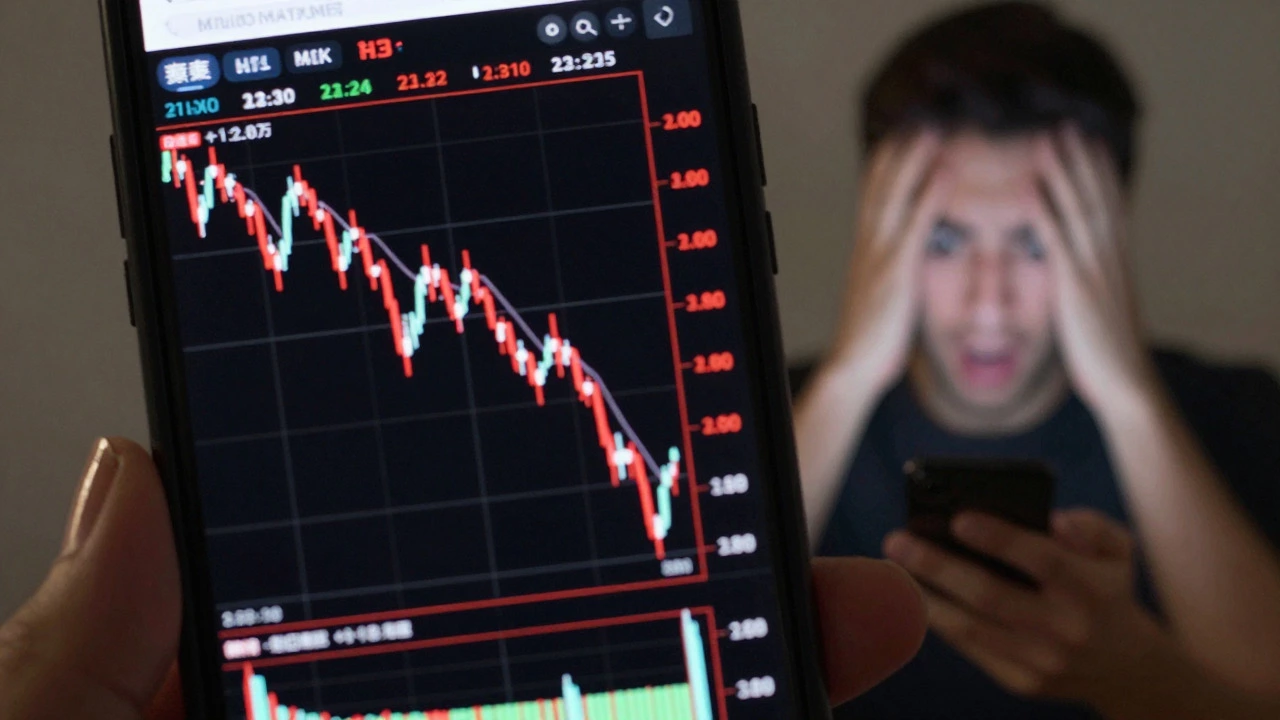
Why do so many people fall for the 1000x dream? It's human nature. We are wired to seek quick rewards. Social media amplifies this by showing only the winners. You see posts about someone making millions from a meme coin, but you don't see the thousands who lost everything.
This selection bias distorts your perception of reality. When you feel FOMO, pause. Ask yourself: "Am I investing based on data, or am I reacting to emotion?" Often, the best move is to sit on your hands and wait. Patience is a superpower in crypto. Those who waited for dips in 2024 often fared better than those who chased pumps.
Additionally, beware of "guru" culture. Many influencers make money not from trading, but from paid promotions and course sales. Their incentives are misaligned with yours. They profit whether you win or lose. Always verify information through multiple independent sources.
Regulatory Landscape in 2024-2026
The regulatory environment has shifted significantly since 2024. Governments worldwide have begun cracking down on unregistered securities and fraudulent schemes. In the US, the SEC pursued several major cases against exchanges and token issuers. In Europe, the Markets in Crypto-Assets (MiCA) regulation provided clearer rules for operators.
For investors, this means two things. First, safer, compliant projects may benefit from institutional adoption. Second, shady, anonymous projects face higher risks of being delisted or banned. As you evaluate potential investments, consider their regulatory stance. Are they transparent? Do they comply with know-your-customer (KYC) standards? These factors may reduce short-term hype but increase long-term viability.
Practical Steps to Protect Your Investment
Before you buy any high-risk crypto, follow these steps:
- Verify the Contract: Use blockchain explorers to check the token's smart contract. Ensure it hasn't been flagged for vulnerabilities.
- Check Liquidity Lock: Confirm that liquidity is locked for a reasonable period (e.g., 6-12 months) using services like Uniswap or PancakeSwap lockers.
- Research the Team: Look for LinkedIn profiles, GitHub activity, and public appearances. Anonymous teams are riskier.
- Assess Community Health: Join their Discord or Telegram. Are discussions focused on development, or just price? A healthy community engages with tech updates.
- Start Small: Invest only what you can afford to lose completely. Treat it as entertainment spending, not savings.
These steps won't eliminate risk, but they will filter out the most obvious scams. Remember, due diligence is boring but profitable.
Conclusion: Realistic Expectations
So, which crypto can give 1000x in 2024? The honest answer is: maybe none, or maybe one that no one knew about until it was too late. Chasing specific coins for guaranteed exponential returns is a game of luck, not skill. Instead, focus on building a diversified portfolio, staying informed about market trends, and managing your emotions.
Cryptocurrency remains a powerful tool for financial innovation. But it is not a lottery ticket. Approach it with caution, curiosity, and a clear head. The goal should be sustainable wealth growth, not a miraculous windfall. By setting realistic expectations and avoiding common pitfalls, you position yourself for long-term success in this volatile market.
Is it possible to get a 1000x return on crypto?
Yes, it is mathematically possible, especially with micro-cap tokens. However, it is extremely rare and carries a very high risk of losing your entire investment. Most investors who chase 1000x gains end up losing money due to scams, poor timing, or market volatility.
What are the safest ways to invest in crypto for high returns?
There is no such thing as a "safe" high-return investment. However, you can mitigate risk by diversifying across different asset classes (Bitcoin, Ethereum, mid-cap altcoins), dollar-cost averaging, and conducting thorough due diligence on each project's fundamentals and team.
How do I identify a rug pull before it happens?
Look for red flags such as unlocked liquidity, anonymous development teams, unrealistic promises, and heavy reliance on paid influencers. Use blockchain analysis tools to check token distribution and contract permissions. If a project seems too good to be true, it probably is.
Should I invest in meme coins for 1000x gains?
Only if you treat it as gambling. Meme coins are highly speculative and driven by social sentiment rather than utility. They can surge rapidly but often crash just as fast. Limit your exposure to a small percentage of your portfolio that you are willing to lose entirely.
What role does regulation play in crypto investments?
Regulation adds stability and legitimacy to the market. Compliant projects may attract institutional investors and reduce the risk of fraud. However, strict regulations can also stifle innovation in smaller projects. Stay informed about regulatory changes in your jurisdiction to assess potential impacts on your investments.