
What Are the 7 Simple Steps in Budgeting? A Clear Guide for Real Life
 Dec, 22 2025
50/30/20 Budget Calculator
Based on the article's Step 3: Set realistic limits for each category. This tool applies the proven 50/30/20 rule to help you allocate your income wisely.
Most people think budgeting is about cutting out coffee and skipping meals. That’s not true. Budgeting is about control. It’s knowing where your money goes so you don’t have to guess when rent is due or when your savings account dips too low. If you’ve ever stared at your bank app at 11 p.m. wondering where all your cash disappeared, this guide is for you. No spreadsheets required. No complicated formulas. Just seven real, doable steps that work whether you make $30,000 or $80,000 a year.
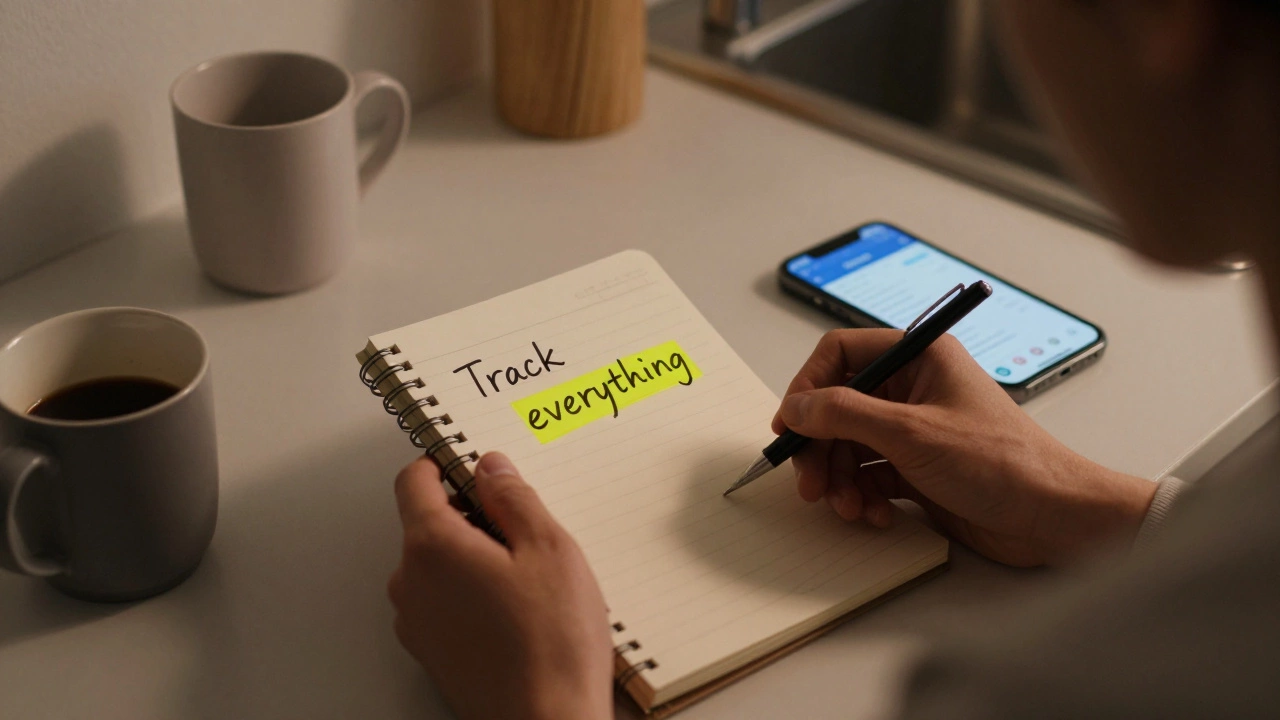
Step 1: Track Every Dollar for One Month
You can’t fix what you don’t measure. Start by writing down every single thing you spend-coffee, gas, apps, that $12 lunch you forgot about. Use your bank app, a notebook, or a free app like Mint or YNAB. Don’t judge. Just record. After 30 days, you’ll see patterns. Maybe you’re spending $200 a month on food delivery. Or $75 on subscriptions you never use. This isn’t about guilt. It’s about facts. In Toronto, the average person spends $450 a month on dining out. If you’re spending double that, you’re not alone-you’re just unaware.Step 2: Categorize Your Spending
Now group your spending into buckets. Think: Housing, Food, Transport, Utilities, Debt, Entertainment, Savings. You don’t need fancy categories. Keep it simple. If you spent $1,200 on rent, $300 on groceries, $150 on transit, and $80 on Netflix, put them where they belong. You’ll quickly see which areas are eating your cash. Most people are shocked to find they spend more on entertainment than on savings. That’s normal. It’s also fixable.Step 3: Set Realistic Limits for Each Category
This is where most people fail. They set a $200 food budget and then panic when they hit $210. That’s not a budget-it’s a trap. Instead, base your limits on what you actually spent last month. If you spent $400 on groceries, don’t cut it to $250 overnight. Start with $375. Give yourself room to adjust. Your housing payment? That’s fixed. Your phone bill? Probably too. But entertainment? That’s flexible. Set limits that match your life, not your ideal self. A good rule: spend no more than 50% of your take-home pay on needs, 30% on wants, and 20% on savings. It’s not magic. It’s just a starting point.Step 4: Pay Yourself First
Before you pay any bills, before you buy groceries, before you swipe your card-transfer money to savings. Even $25 a week. Set up an automatic transfer the day after you get paid. Make it non-negotiable. This is the single biggest change you can make. People who save first don’t wait for leftovers. They build wealth on purpose. You don’t need a fancy account. Just open a separate savings account at your bank and call it “Emergency” or “Future Me.” The money there isn’t for spending. It’s for peace of mind.
Step 5: Use Cash or Debit for Daily Spending
Credit cards are great for rewards. Terrible for budgeting. If you’re trying to control spending, use cash or your debit card for daily stuff-groceries, gas, meals. Why? Because handing over physical money hurts. You feel it. Swiping a card? You don’t. Studies show people spend 12-18% more when using cards. In Toronto, where prices are rising fast, that’s $50-$80 a month you can save just by changing how you pay. Keep a small envelope of cash for discretionary spending. When it’s gone, you’re done until next week.Step 6: Review Every Week
Set a 10-minute timer every Sunday. Open your bank app. Look at what you spent. Did you stick to your food budget? Did you forget to track that $12 Uber? Adjust next week’s plan. No drama. No shame. Just check. This isn’t a test. It’s feedback. Think of it like checking your car’s oil. You don’t wait until the engine dies. You check it before it gets bad. Budgeting works the same way. Weekly reviews keep you on track without burnout.Step 7: Celebrate Small Wins
You saved $100 this month? That’s a win. Paid off a $50 credit card balance? That’s progress. Stuck to your budget for three weeks straight? That’s a habit forming. Celebrate with something free-walk in the park, watch a movie you already paid for, call a friend. Budgeting isn’t about punishment. It’s about freedom. The more you reward yourself for sticking to it, the more it sticks. After six months, you’ll look back and realize you didn’t just save money-you changed how you think about it.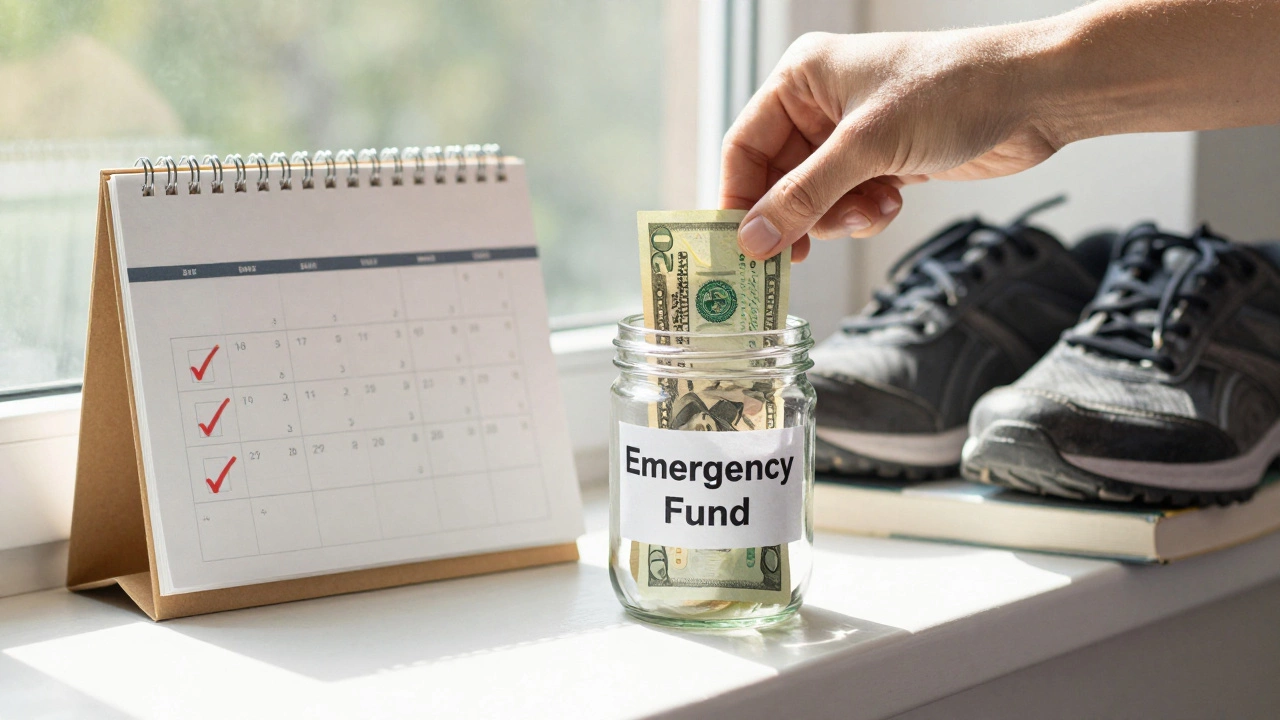
What to Do When You Mess Up
You went over your grocery budget? You bought something you didn’t plan for? That’s okay. Everyone does. Don’t quit. Don’t restart. Just adjust. Take the extra $40 you spent on snacks out of next week’s entertainment budget. Move it. No guilt. No drama. Budgets aren’t laws-they’re tools. The goal isn’t perfection. It’s consistency. One misstep doesn’t ruin a year. One habit does.Tools That Actually Help
You don’t need five apps. Start with one:- Bank app: Free. Shows spending by category. Good for tracking.
- YNAB (You Need A Budget): Paid, but teaches you to assign every dollar a job. Great if you’re serious.
- Google Sheets: Free. Copy a simple budget template online. Customize it.
- Envelope system: Physical cash in labeled envelopes. Old-school, but works.
Common Mistakes to Avoid
- Trying to budget too much too soon. Start small.
- Using credit cards to fund your budget. That’s debt, not savings.
- Waiting for the “right time.” There’s no perfect month. Start now.
- Comparing your budget to someone else’s. Your life isn’t theirs.
- Thinking budgeting means deprivation. It means choice.
How Long Until You See Results?
Within 30 days, you’ll know where your money goes. Within 90 days, you’ll have a buffer. Within six months, you’ll have saved enough to cover one unexpected bill-like a car repair or a medical copay. That’s the real win. Not a bigger bank balance. Less stress. More control.Do I need to use an app to budget?
No. Many people budget successfully with pen and paper or even just their bank statements. Apps make tracking easier, but they’re not required. The key is consistency, not technology.
What if my income changes every month?
Use your lowest monthly income to plan your budget. That way, you’re always covered. Any extra money goes straight to savings or paying down debt. Freelancers and gig workers do this all the time. It’s not ideal, but it’s safe.
How much should I save each month?
Start with 5% of your take-home pay. If that’s $50, do that. Next month, try $75. The goal isn’t 20% right away-it’s building the habit. Once you’re comfortable, you can increase it. Even $25 a week adds up to over $1,300 a year.
Is budgeting only for people with debt?
No. People with no debt benefit the most. They’re the ones who think they don’t need a budget-until an emergency hits. Budgeting isn’t about fixing problems. It’s about preventing them. Even if you’re debt-free, you still need to plan for taxes, car repairs, vacations, and retirement.
Can I still enjoy life while budgeting?
Absolutely. Budgeting isn’t about giving up fun. It’s about making sure fun doesn’t cost you your future. You can still eat out, go to concerts, or buy new shoes. Just make sure you’ve planned for it. That’s the difference between guilt and freedom.