
What Are the Cons of Debt Consolidation?
 Mar, 23 2026
Debt Consolidation Interest Calculator
Consolidation can lower monthly payments but often increases total interest paid over time.
Debt consolidation sounds like a miracle fix. Combine all your bills into one payment, lower your interest rate, and call it a day. It’s advertised everywhere - TV, radio, online ads. But here’s the truth most lenders won’t tell you: debt consolidation isn’t a magic wand. It can help, but it also comes with real downsides that can trap you worse than before.
You’re Still in Debt
The biggest illusion? Thinking consolidation means you’re done with debt. It doesn’t. It just rearranges it. You still owe the same total amount - maybe even more if fees get added. All you’ve done is traded five different payments for one. If you don’t change how you spend, you’ll end up right back where you started. And now you’ve got a new loan on top of whatever you charged up again. I’ve seen people walk out of a consolidation meeting feeling relieved… only to max out their old credit cards six weeks later. That’s not progress. That’s a cycle.Extended Repayment = More Interest Paid
Lower monthly payments sound great - until you realize they’re lower because you stretched the loan out over 10 or 15 years. That’s not saving money. That’s paying more in the long run. Let’s say you had $15,000 in credit card debt at 22% interest. You were paying $500 a month and expected to be done in 4 years. Now you take a 7-year consolidation loan at 9%. Your payment drops to $230. Feels good, right? But here’s the math: you’ll pay over $5,800 in interest. On the original plan, you paid just under $3,500. You saved $270 a month… but added $2,300 in extra interest. That’s not a win. That’s a trap disguised as relief.Secured Loans Put Your Home or Car at Risk
Many consolidation loans are secured. That means you need to pledge something valuable - usually your house or car - as collateral. If you miss payments, they can take it. Unsecured personal loans exist, but they’re harder to get and often come with higher rates. If you’ve got equity in your home and you’re desperate, a home equity loan might look tempting. But think about this: you’re turning unsecured debt (credit cards) into secured debt (your house). One missed payment and you could lose your home. That’s not a trade-off. That’s gambling with your stability.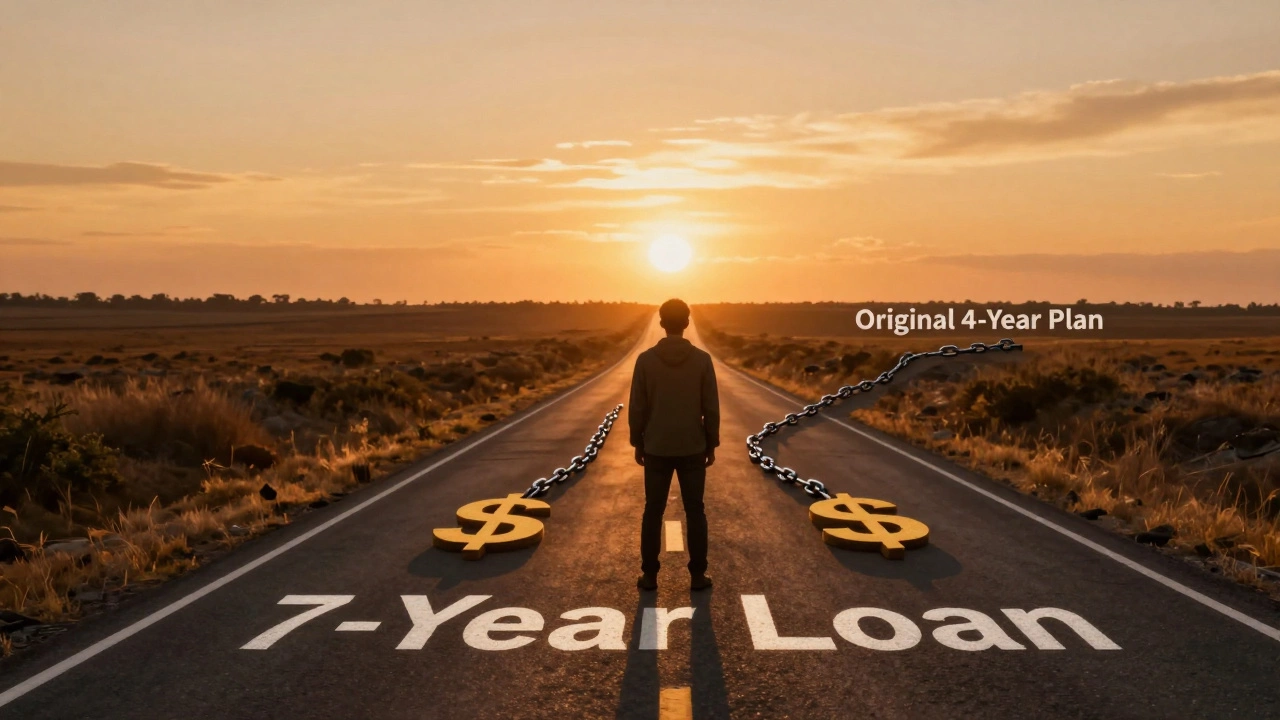
It Doesn’t Fix the Root Problem
Why did you get into debt in the first place? Was it medical bills? Job loss? Impulse buying? Debt consolidation doesn’t address any of that. It’s like putting a bandage on a broken leg and calling it healed. Without changing spending habits, emotional triggers, or income issues, you’re just delaying the crash. I’ve talked to people who consolidated after losing a job - then went back to using credit cards because they didn’t have a budget. No loan can fix bad habits. Only you can do that.It Can Hurt Your Credit Score
Applying for a new loan means a hard inquiry on your credit report. That drops your score a few points. Opening a new account also lowers the average age of your credit history - another factor that affects your score. And if you close your old credit card accounts after consolidating (which most lenders suggest), your credit utilization ratio spikes. Let’s say you had $5,000 in balances across three cards with a total limit of $20,000. Your utilization was 25%. You pay them off with a consolidation loan and close them. Now your total limit is $0. Even if you don’t spend more, your utilization jumps to 100%. That can tank your score. Credit scores matter - for renting, jobs, even insurance rates. Don’t trade one problem for another.Fees Can Eat Your Savings
Not all consolidation loans are free. Some charge origination fees of 3% to 8%. On a $20,000 loan, that’s $600 to $1,600 right off the top. Some debt settlement companies charge upfront fees before they even do anything. Others promise to negotiate with creditors but vanish after you pay. And if you use a balance transfer card with a 0% intro rate, you’ll likely pay a 3% transfer fee. That’s $600 on $20,000. Plus, if you don’t pay it off before the promo period ends, you’ll get hit with a high rate - sometimes over 25%. These fees aren’t hidden. They’re buried in the fine print. Read them. Or you’ll be surprised when you get the bill.
Not Everyone Qualifies
If your credit score is below 650, you won’t qualify for the best rates. You might be offered a loan - but at 18%, 20%, or even higher. That’s worse than your current credit card rates. Some people think consolidation is for anyone. It’s not. It’s for people with decent credit, steady income, and a plan. If you’re already behind on payments, struggling to make rent, or have collections on your record, lenders see you as high risk. You’ll either get denied or get stuck with a loan that doesn’t help. In those cases, bankruptcy or credit counseling might be better options.It Feels Like a Quick Fix - But It’s Not
The biggest danger of debt consolidation isn’t the loan. It’s the mindset. People think, “I consolidated. Now I’m fixed.” That’s dangerous. Real financial recovery takes time. It takes budgeting. It takes saying no to impulse buys. It takes tracking every dollar. It takes patience. Consolidation gives you breathing room - if you use it right. But if you treat it like a reset button, you’re setting yourself up to fail again.When It Actually Works
I’m not saying avoid it completely. It works if you’ve got a solid plan. You need: a fixed income, a realistic budget, a clear end date for repayment, and zero new spending on old accounts. You need to keep those cards closed - not just paid off. You need to stick to the new payment schedule. And you need to build an emergency fund so you don’t go back to credit cards when the car breaks down. In those cases, consolidation can be a tool. But it’s not a solution. It’s a step - and only one of many.Does debt consolidation lower my credit score?
It can, temporarily. Applying for a new loan causes a hard inquiry, which lowers your score by a few points. Closing old credit card accounts can raise your credit utilization ratio, which hurts more. But if you pay the new loan on time and keep your balances low, your score will recover - and could even improve over time. The key is not to open new debt while paying off the consolidation loan.
Is it better to consolidate debt or file for bankruptcy?
It depends. Bankruptcy stays on your credit report for 7-10 years and makes it harder to get loans, rent apartments, or even get certain jobs. But if you’re overwhelmed by medical bills, job loss, or unmanageable debt, bankruptcy can give you a clean slate. Debt consolidation only works if you can afford the new monthly payment. If you can’t, bankruptcy might be the only real option. Talk to a nonprofit credit counselor before deciding.
Can I consolidate student loans with credit card debt?
Technically, yes - but you shouldn’t. Federal student loans come with protections like income-driven repayment, deferment, and forgiveness programs. Rolling them into a private consolidation loan means you lose all those benefits. You’ll also likely pay more in interest over time. Only consider this if you’ve already paid off your federal loans or are certain you’ll never qualify for forgiveness. Otherwise, keep student loans separate.
What’s the difference between a debt consolidation loan and a debt management plan?
A debt consolidation loan is something you get from a bank or lender - you borrow money to pay off your debts. A debt management plan (DMP) is set up through a nonprofit credit counseling agency. They negotiate lower interest rates with your creditors, and you make one payment to them each month. DMPs don’t require a new loan, and they often come with lower fees. But they usually require you to close your credit cards while in the program.
Will debt consolidation stop collection calls?
Not automatically. If you use a consolidation loan to pay off your creditors, they should stop contacting you once the debt is paid. But if you’re using a debt settlement company, they may delay payments to creditors to build leverage - which means collection calls could get worse before they stop. Always confirm with your lender or counselor that each debt has been fully settled before assuming the calls are gone.