
Who Is the Most Trusted Insurance Company? A Guide to Home Insurance Reliability in 2026
 Jul, 19 2026
Insurance Trust & Reliability Calculator
Enter Company Metrics
Adjust the sliders or enter values based on data from A.M. Best, J.D. Power, and NAIC reports.
Reliability Analysis
Adjust the inputs to see the analysis.
Key Insights:
- High financial stability ensures payout capability.
- Low complaint index indicates efficient service.
- Strong satisfaction scores reflect positive claims experience.
Picture this: You wake up to the sound of shattering glass. A tree branch has torn through your roof during last night’s storm, and water is pouring into your living room. In that moment, you don’t care about the monthly premium you paid. You care about one thing: Will your insurer show up?
Finding the most trusted insurance company isn’t just about picking a brand with a catchy slogan. It’s about identifying which provider actually pays claims fairly, answers the phone when things go wrong, and doesn’t try to nickel-and-dime you on every repair. Trust in insurance is built on reliability, transparency, and financial strength.
How Do We Measure "Trust" in Insurance?
Trust is subjective, but in the insurance industry, it’s measured by hard data. When we talk about who is the most trusted, we’re looking at three specific pillars:
- Customer Satisfaction Scores: How happy are policyholders after filing a claim? This is often tracked by independent research firms like J.D. Power or AM Best.
- Financial Strength Ratings: Can the company afford to pay out large-scale disasters? Agencies like Standard & Poor’s (S&P) and Moody’s assign grades based on capital reserves.
- Complaint Ratios: How many policyholders complain to state regulators compared to the size of the company’s customer base? The National Association of Insurance Commissioners (NAIC) tracks this closely.
If a company has great marketing but low financial strength, they might fold if a major hurricane hits. If they have money but terrible service, you’ll be stuck on hold for hours while your house floods. You need both.
The Heavy Hitters: Who Consistently Ranks High?
In the landscape of home insurance, a few names consistently appear at the top of trust metrics. While rankings shift slightly year to year, these companies have established themselves as leaders in reliability.
| Company | Key Strength | Best For |
|---|---|---|
| Amica Mutual Insurance | Highest Customer Satisfaction | Policyholders who prioritize service over lowest price |
| State Farm | Largest Agent Network | People who want local, face-to-face support |
| Allstate | Strong Financial Backing | Urban homeowners needing robust coverage options |
| USAA | Exceptional Service for Military | Active duty, veterans, and their families |
Amica Mutual Insurance frequently tops J.D. Power’s annual surveys for auto and property insurance. They operate as a mutual company, meaning they are owned by their policyholders, not shareholders. This structure often aligns their incentives better with customers-they don’t need to cut corners to boost stock prices. However, Amica is only available in certain states, so availability is a key constraint.
State Farm wins on accessibility. With more than 19,000 agents across the U.S., you can walk into an office almost anywhere. For many people, trust comes from knowing there’s a human being nearby who can help navigate a complex claim. Their financial strength rating is an A+ from S&P, indicating superior ability to meet ongoing obligations.
Why Financial Strength Matters More Than Price
It’s tempting to save $50 a month by switching to a budget carrier. But consider the risk. Insurance is a promise to pay later. If that promise is made by a financially weak company, it’s worthless.
Look at the ratings from Standard & Poor’s. An A- rating or higher is generally considered safe. Anything below BBB+ suggests some risk. In 2023 and 2024, several mid-sized insurers faced liquidity issues due to rising reinsurance costs and catastrophic weather events. Policyholders were left scrambling to find new coverage mid-year.
When evaluating trust, check the insurer’s surplus-the amount of money they have above what they owe. Companies like Hartford Financial Services and Travelers maintain massive surpluses, making them highly resilient even in disaster years.
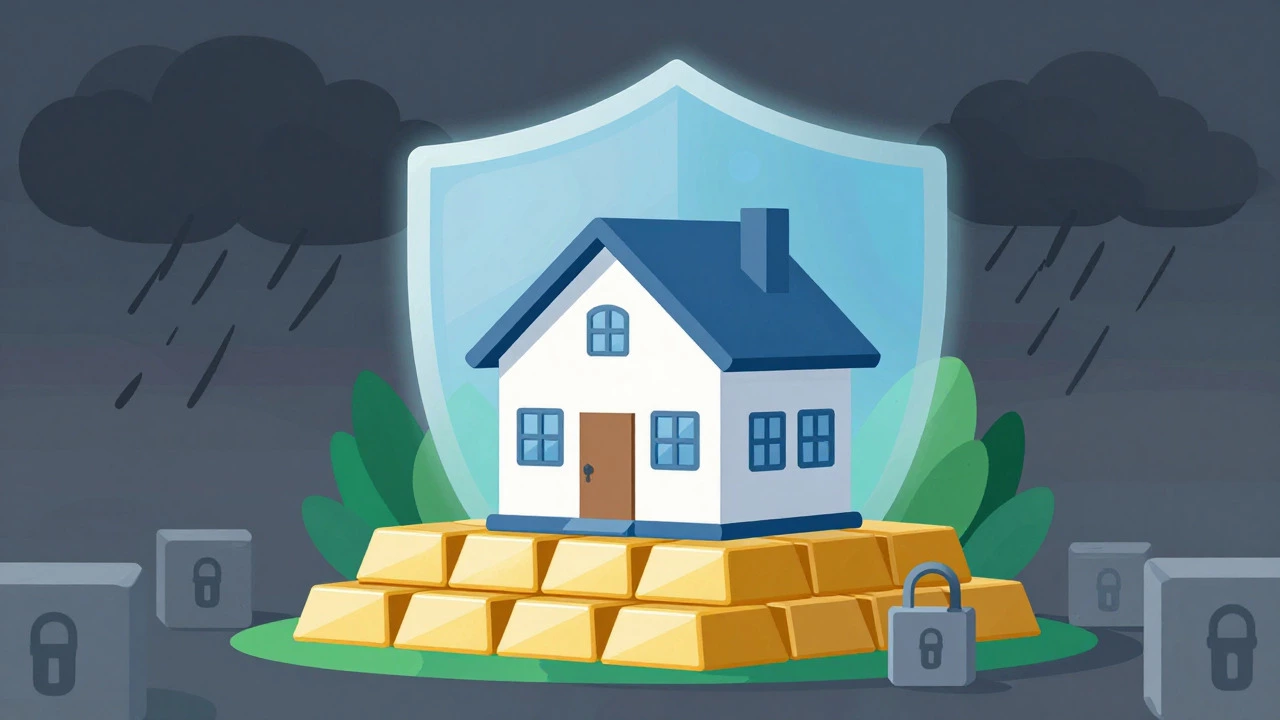
The Role of Complaint Ratios
Not all complaints are created equal. Some insurers have high complaint volumes simply because they have millions of customers. To get a true picture, look at the complaint index published by the NAIC.
An index of 1.0 means the company receives the average number of complaints relative to its market share. An index below 1.0 is good; above 1.0 is bad. For example, if a company has an index of 0.5, it receives half the expected complaints. This metric strips away marketing fluff and shows how often customers feel forced to escalate issues to state regulators.
Companies like Liberty Mutual have historically maintained lower complaint indices despite their large size, suggesting efficient internal resolution processes.
Regional Differences in Trust
Trust isn’t uniform across the country. A company that is excellent in Texas might struggle in Florida due to different regulatory environments and risk profiles.
In hurricane-prone states like Florida and Louisiana, Citizens Property Insurance Corporation, the state-backed insurer of last resort, often dominates. While it’s not always the cheapest, it’s the most reliable option when private insurers pull out of the market. Conversely, in the Midwest, regional carriers like Grange Insurance or Farm Bureau often score higher on trust because they understand local agricultural and rural risks better than national giants.

Red Flags That Signal Low Trust
Before signing a policy, watch out for these warning signs:
- Declining Financial Ratings: If a company’s S&P or Moody’s rating drops two levels in a year, investigate why.
- High Deductible Scams: Some insurers offer low premiums but impose hidden surcharges or extremely high deductibles that make claims impractical.
- Poor Online Reviews with Specific Details: Ignore generic five-star reviews. Look for detailed stories about denied claims or slow payouts on sites like Better Business Bureau (BBB).
- Lack of Transparency: If you can’t easily find their financial statements or complaint ratios, they might be hiding something.
How to Verify an Insurer’s Trustworthiness Yourself
You don’t have to take our word for it. Here’s a quick checklist to verify any insurer:
- Check their A.M. Best rating. Aim for A or higher.
- Search the NAIC Consumer Search tool for their complaint ratio in your state.
- Read recent J.D. Power reports for your specific region and line of business (home vs. auto).
- Ask your agent: “What happens if I file a claim within the first year?” Listen for hesitation.
Trust is earned through consistent performance. By focusing on financial stability, customer satisfaction data, and transparent practices, you can identify the most trusted insurance company for your unique situation.
Is State Farm really the most trusted insurance company?
State Farm is widely considered one of the most trusted due to its vast network of local agents and strong financial backing. However, "most trusted" depends on your priorities. If you value personalized service and local presence, State Farm excels. If you prefer digital-first interactions and potentially lower rates, other companies like Lemonade or Amica might rank higher for you.
How do I know if an insurance company is financially stable?
Check ratings from independent agencies like A.M. Best, Standard & Poor’s (S&P), and Moody’s. Look for ratings of A- or higher from S&P or A or higher from A.M. Best. These agencies analyze the company’s capital reserves, investment portfolio, and ability to pay claims during economic downturns.
What does a low complaint ratio mean?
A low complaint ratio means that fewer customers are complaining to state regulators compared to the company’s market share. An index below 1.0 indicates the company handles disputes better than the industry average. This is a strong indicator of customer satisfaction and operational efficiency.
Are mutual insurance companies more trustworthy?
Mutual companies, like Amica and New York Life, are owned by their policyholders rather than shareholders. This structure can align interests better, as profits are often returned to members via dividends or reinvested in service. However, not all mutuals are equally trustworthy; always check financial ratings and customer satisfaction scores regardless of ownership structure.
Does the cheapest insurance company lack trust?
Not necessarily, but price alone is a poor indicator of trust. Some budget carriers use narrow definitions of coverage or slow claim processing to keep costs down. Always compare the fine print, financial strength, and customer service records alongside the premium cost to ensure you’re getting genuine value.