
Will I Lose My Credit Cards If I Consolidate Debt?
 Oct, 8 2026
Debt Consolidation & Credit Card Decision Tool
Not sure what to do with your credit cards after consolidating? Answer two quick questions below to get a personalized recommendation.
Step 1: Which consolidation method are you using?
Personal Loan
Lender pays off cards directly. Cards remain open unless closed by you.
Balance Transfer
Move debt to new 0% APR card. Old cards stay open unless closed by you.
Debt Management Plan
Counselor negotiates rates. Creditor usually requires closing accounts.
Step 2: How is your spending discipline?
You’re staring at a stack of bills. The interest rates are climbing, the minimum payments feel like they barely cover the fees, and you’re wondering if there’s a way out. You’ve heard about debt consolidation, which sounds like a lifeline: one loan, one payment, maybe a lower rate. But then panic sets in. Does doing this mean your credit cards get cut up? Will you lose access to the plastic in your wallet?
The short answer is no, you don’t automatically lose your credit cards when you consolidate debt. However, the reality is more nuanced than a simple yes or no. It depends entirely on how you consolidate. A personal loan works differently than a balance transfer card, which works differently than a debt management plan (DMP). Each path has its own rules about what happens to your existing accounts.
Quick Summary: What You Need to Know
- Personal Loans: Your credit cards stay open. You pay off the balances with the loan, but the cards remain yours to use (or not).
- Balance Transfers: You move debt to a new card. Old cards stay open unless you close them yourself.
- Debt Management Plans (DMP): You usually have to stop using your old cards, and creditors may close them to prevent further spending.
- Credit Score Impact: Closing old accounts can hurt your score by reducing your average account age and increasing utilization on remaining cards.
- Behavioral Risk: Keeping cards open while paying off a consolidation loan often leads to re-accumulating debt if spending habits don’t change.
Understanding How Debt Consolidation Actually Works
Before we talk about losing cards, let’s clarify what consolidation actually does. It doesn’t erase debt; it reorganizes it. Imagine you have three credit cards with balances of $2,000, $3,000, and $1,000. That’s $6,000 total, spread across three different due dates and potentially three different interest rates. Consolidation takes that $6,000 and puts it into one place-usually a single loan or a new credit line.
When you take out a personal loan for debt consolidation, the lender sends a check directly to your credit card companies. They pay off your balances. Once those balances hit zero, your credit card accounts still exist. The bank hasn’t revoked your privilege to spend. You just owe the personal loan lender instead of the credit card issuer.
This distinction matters because many people confuse "paying off" with "closing." Paying off means the balance is zero. Closing means the account is terminated. In most consolidation scenarios involving loans, the accounts remain open unless you explicitly ask the bank to close them.
Scenario 1: Using a Personal Loan to Consolidate
This is the most common method for people who want to keep their credit history intact. Let’s say you apply for a consolidation loan through a bank or online lender. The approval process involves a hard credit inquiry, which might dip your score slightly, but once approved, the mechanics are straightforward.
The lender pays off your high-interest credit card debt. Your credit card statements now show a $0 balance. Here is where the decision point hits you: do you cut up the cards, or do you keep them in your drawer?
If you keep them open, your credit utilization ratio improves dramatically. Utilization is the amount of credit you’re using compared to your total available limit. High utilization hurts your score. By moving the debt to an installment loan (which isn’t calculated the same way as revolving credit), your credit card utilization drops to near zero. This can actually boost your credit score over time.
However, there’s a trap here. If you keep those cards open and continue to use them for daily purchases without paying them off immediately, you end up with two debts: the original consolidation loan and new credit card balances. Financial advisors often call this "double dipping." You haven’t solved the spending problem; you’ve just moved the goalposts.
Scenario 2: Balance Transfer Credit Cards
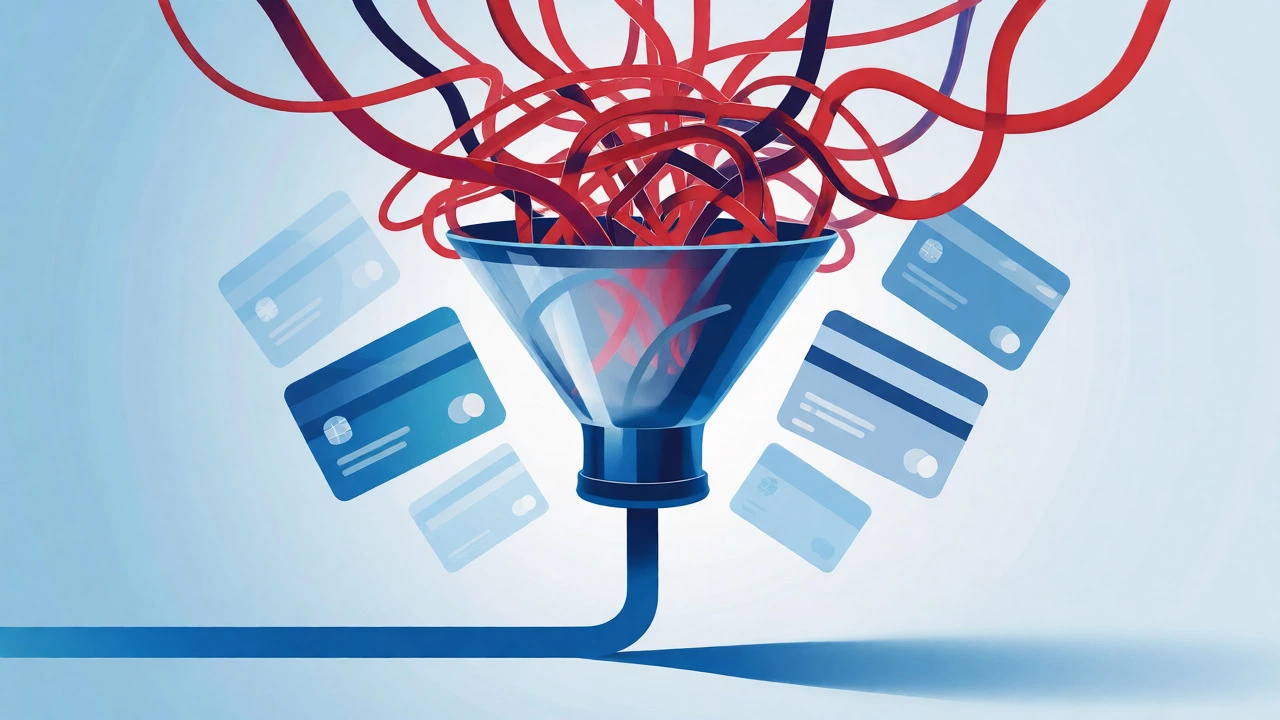
Another popular tactic is the balance transfer. This involves opening a new credit card that offers a 0% introductory APR period, typically lasting 12 to 21 months. You move your existing balances onto this new card.
In this scenario, your old cards definitely aren’t lost. In fact, keeping them open is often recommended for credit score health. When you transfer a balance, the old card shows a $0 balance. If you leave the account open, it continues to age. Older accounts are good for your credit score because they demonstrate a long history of responsible credit management.
But be careful with the fine print. Some issuers charge a balance transfer fee, usually between 3% and 5% of the transferred amount. Also, if you miss a payment during the promotional period, you might lose the 0% rate retroactively. And yes, you can absolutely use your old cards again. Just remember that any new charges on the old cards will accrue interest at the standard rate, which defeats the purpose of the low-rate transfer.
Scenario 3: Debt Management Plans (DMPs)
This is where things change significantly. If you work with a non-profit credit counseling agency to set up a Debt Management Plan, the rules are stricter.
A DMP is a structured repayment plan negotiated by counselors on your behalf. They contact your creditors to lower interest rates and waive fees. In exchange for these concessions, most creditors require you to agree to stop using the enrolled credit cards. Why? Because if you keep charging expenses while trying to pay down the principal, the plan becomes ineffective.
Under a DMP, you will likely be asked to close your credit card accounts. Even if you don’t physically cut up the plastic, the creditor will mark the account as "closed" or "paid in full" once the balance reaches zero. During the active phase of the plan, you cannot use those specific cards. You’ll need to rely on debit cards, cash, or other forms of payment for daily expenses.
Does closing these accounts hurt your score? Initially, yes. Closing older accounts reduces the average age of your credit history. However, the benefit of having paid-off accounts reported positively each month often outweighs the temporary dip from closure. Plus, once the plan is complete, you can start rebuilding with new credit if needed.
The Credit Score Impact: Open vs. Closed Accounts
Let’s look at how different actions affect your FICO score components. Understanding this helps you decide whether to close or keep your cards after consolidation.
| Credit Score Factor | Weight | Effect of Keeping Card Open ($0 Balance) | Effect of Closing Card |
|---|---|---|---|
| Payment History | 35% | Positive: Continued on-time reporting adds positive history. | Neutral/Negative: Stops adding new positive history; closed status remains on report for 10 years. |
| Credit Utilization | 30% | Positive: Lowers overall utilization ratio significantly. | Negative: Reduces total available credit, potentially spiking utilization on remaining cards. |
| Length of Credit History | 15% | Positive: Keeps average age of accounts higher. | Negative: Eventually lowers average age as the account ages out of calculation. |
| New Credit | 10% | Neutral: No new inquiries from keeping it open. | Neutral: No impact from closing. |
| Credit Mix | 10% | Positive: Maintains diversity of revolving credit types. | Neutral: Minor impact unless all revolving accounts are closed. |
As you can see, keeping accounts open generally supports your score metrics, provided you don’t run up new balances. Closing them simplifies your life but complicates your credit math.
The Behavioral Trap: Why You Might Want to Close Them Anyway
Math says keep them open. Psychology often says close them. There is a well-documented phenomenon called "substitution effect." When consumers replace multiple debts with one manageable loan, they often feel a sense of relief. That relief can lead to complacency. "I have room on my credit card," they think. "I can buy this vacation." Next thing you know, you’re back in debt, but now you have both the consolidation loan and the credit card bill.
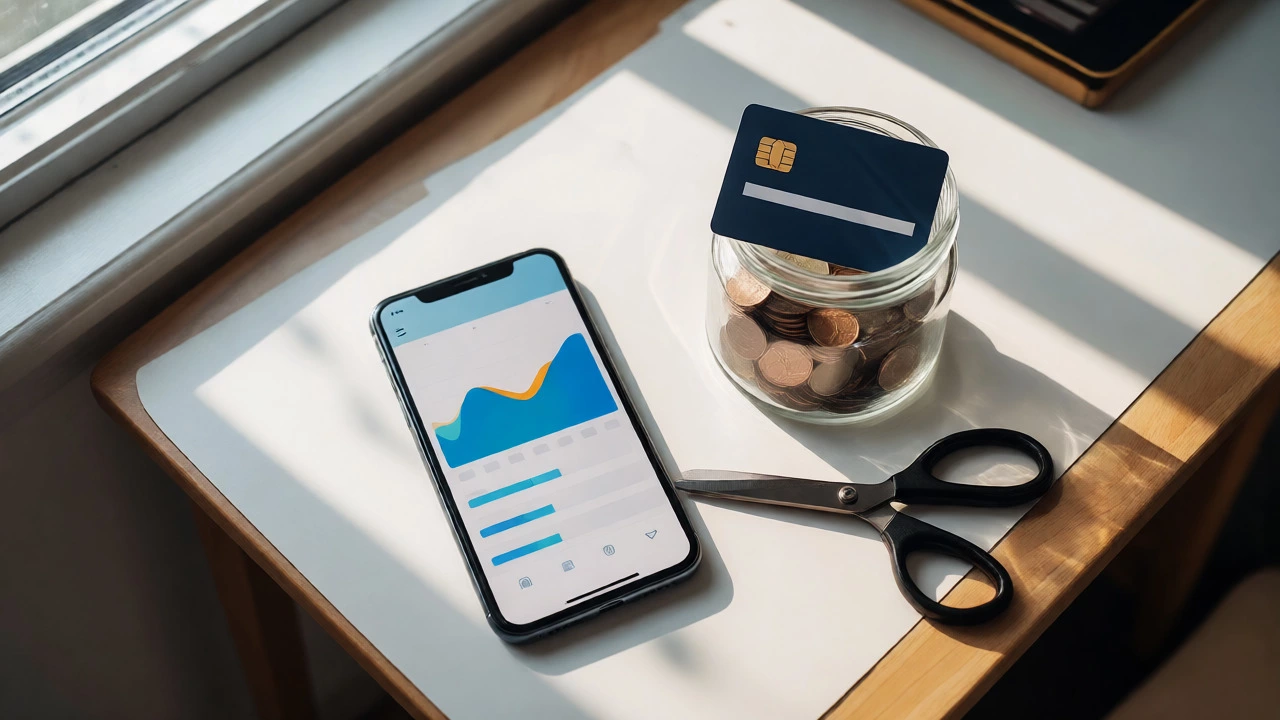
If you struggle with impulse control, keeping your cards accessible is risky. In this case, voluntarily closing the accounts-or freezing them via your bank’s app-is a strategic choice, not a penalty. It removes the temptation. Many financial coaches recommend cutting up the physical cards even if the account stays open. Out of sight, out of mind.
How to Decide: A Quick Decision Tree
Still unsure? Run through this mental checklist:
- Are you using a Personal Loan or Balance Transfer?
- Yes: Keep cards open for credit score benefits. Monitor usage closely.
- No (using DMP): Expect to close them. Focus on sticking to the budget.
- Do you have self-discipline with spending?
- Yes: Keep cards open. Use them for small purchases and pay off in full monthly to build rewards and history.
- No: Close them or freeze them. Remove the friction-free ability to overspend.
- Is your primary goal maximizing credit score?
- Yes: Keep accounts open with $0 balances.
- No (primary goal is getting out of debt fast): Simplicity wins. Close them to avoid distraction.
Troubleshooting Common Concerns
What if my bank closes the card anyway? Sometimes banks proactively close inactive accounts. If you pay off a card with a consolidation loan and never use it again, the bank might close it after 12-24 months of inactivity. To prevent this, put one small recurring subscription (like Netflix) on the card and set it to autopay. This keeps the account active without requiring effort.
Can I negotiate keeping my cards in a DMP? It’s rare, but possible. Some creditors allow you to keep one emergency card open, though it won’t be part of the managed plan. Ask your counselor. Don’t assume it’s impossible, but don’t count on it either.
Will consolidation show up on my credit report? Yes. New loans appear as new inquiries and new accounts. Paid-off credit cards will show a $0 balance. This transition can cause a temporary dip in your score due to the new inquiry and changed mix, but it usually rebounds within 3-6 months as you make consistent payments.
Does debt consolidation ruin your credit?
No, it doesn't ruin it. It may cause a temporary drop due to a hard inquiry when applying for the loan or new card. However, successfully managing the consolidated debt typically improves your credit score over time by lowering credit utilization and establishing a consistent payment history.
Should I close my credit cards after consolidating debt?
If you are disciplined, keep them open to help your credit score by maintaining a long credit history and low utilization. If you tend to overspend, consider closing them or freezing them to prevent accumulating new debt alongside the consolidation loan.
Can I still use my credit cards while in a Debt Management Plan?
Generally, no. Most creditors require you to stop using the enrolled credit cards while in a Debt Management Plan. They may close the accounts to ensure you focus on repaying the existing debt rather than adding to it.
What happens to my credit limit when I consolidate?
Your individual credit limits remain unchanged if the accounts stay open. However, your available credit increases because the balances are paid off. If you close the accounts, your total available credit decreases, which could negatively impact your credit utilization ratio if you have other outstanding balances.
Is it better to use a personal loan or a balance transfer card?
A balance transfer card is better if you have good credit and can pay off the debt within the 0% intro APR period. A personal loan is better if you need a longer repayment term, have fixed income constraints, or don't qualify for top-tier credit card offers.