
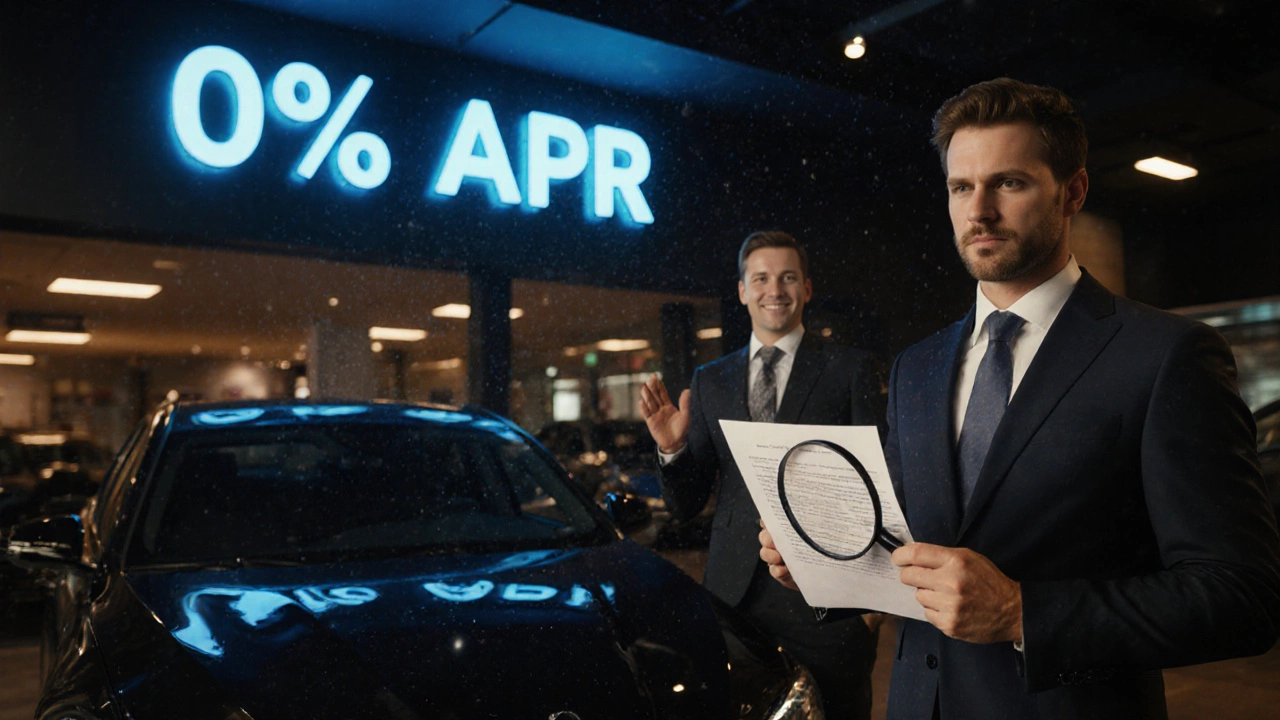
Does 0% APR mean no interest? What car dealers won’t tell you
0% APR on car loans sounds like free money, but it often comes with hidden conditions that can cost you more. Learn how to spot the traps and actually save money.
Read MoreWhen you see APR, the annual percentage rate that shows the true yearly cost of borrowing money, including fees and interest. Also known as annual percentage rate, it’s the one number lenders want you to focus on—because if you don’t understand it, you’re paying more than you should. Most people think APR is just the interest rate, but that’s not true. It’s the full picture: interest, origination fees, closing costs, even some insurance charges rolled into one number. That’s why a loan with a 6% APR can cost you more than a 7% rate if the fees are buried elsewhere. The law forces lenders to show APR so you can compare apples to apples—but only if you know how to read it.
Think of credit card APR, the yearly cost of carrying a balance on your card, which can jump to 20% or higher if you have less-than-perfect credit. Also known as card interest rate, it’s where most people get trapped. If you pay your balance in full every month, APR doesn’t matter much. But if you only make the minimum, that rate becomes a silent money drain. A loan APR, the total cost of borrowing for mortgages, car loans, or personal loans, calculated over the full term. Also known as borrowing cost,> works the same way—except it’s locked in for years. A 1% difference in APR on a $20,000 car loan can cost you over $1,200 extra over five years. That’s not a small detail. That’s money you could’ve kept.
What most people miss is that APR doesn’t tell the whole story. It doesn’t include penalties for late payments, prepayment fees, or how often interest compounds. Some lenders advertise low APRs but add fees later. Others use teaser rates that jump after six months. And if you’re looking at a home equity loan, a loan using your home as collateral, often with variable APR tied to market rates. Also known as HELOC,> the APR can change with the economy. That’s why you need to look beyond the headline number. Check the fine print. Ask how long the rate lasts. Ask if it’s fixed or variable. Ask what happens if you pay it off early. These are the questions lenders don’t volunteer answers to.
You don’t need a finance degree to outsmart APR. You just need to know what to ask. If you’re shopping for a loan, compare APRs—not just interest rates. If you’re carrying credit card debt, look for balance transfer offers with 0% APR for 12 to 21 months. And if you’re stuck with a high APR, don’t just accept it—call your lender and ask for a lower rate. They’ll often agree, especially if you’ve paid on time. APR isn’t magic. It’s a tool. And like any tool, it only works against you if you don’t know how to use it.
Below, you’ll find real-world breakdowns of how APR affects everything from car loans to credit cards, what lenders won’t tell you, and how to cut your borrowing costs without jumping through hoops. These aren’t theory pieces—they’re practical guides from people who’ve been there, paid too much, and figured out how to fix it.
0% APR on car loans sounds like free money, but it often comes with hidden conditions that can cost you more. Learn how to spot the traps and actually save money.
Read More