
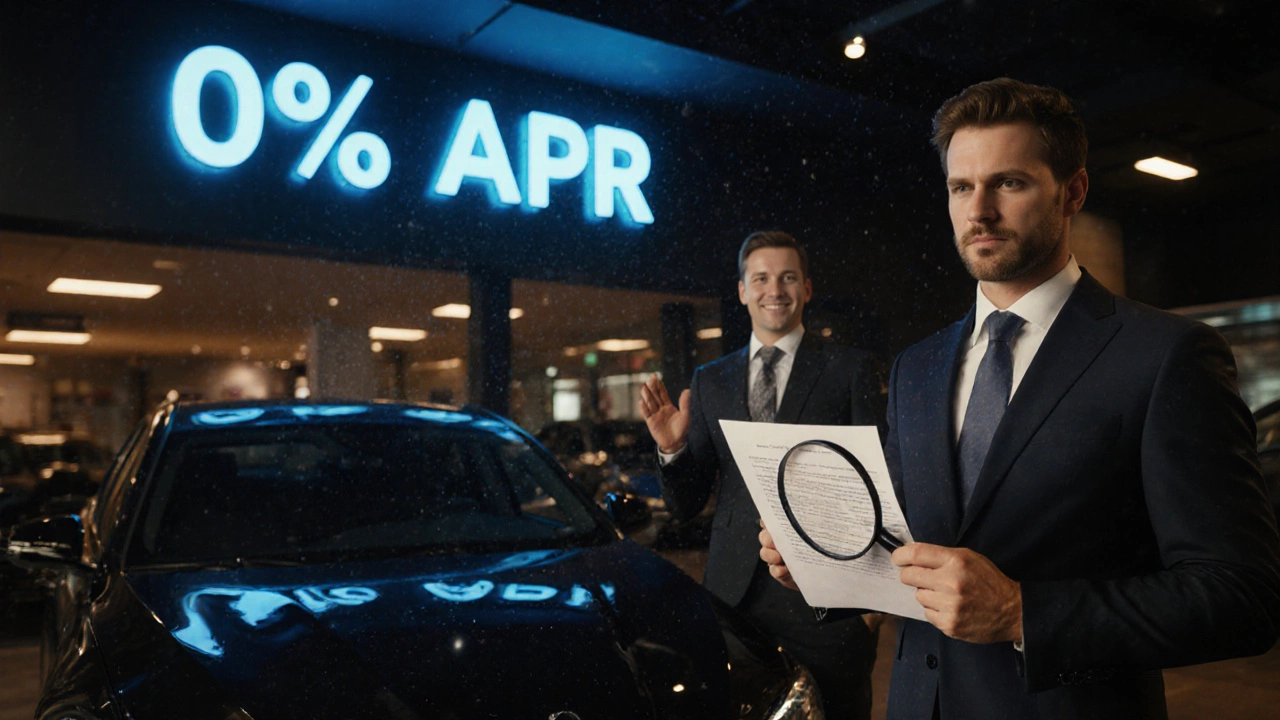
Does 0% APR mean no interest? What car dealers won’t tell you
0% APR on car loans sounds like free money, but it often comes with hidden conditions that can cost you more. Learn how to spot the traps and actually save money.
Read MoreWhen you take out a car loan, a financial agreement to pay for a vehicle over time with interest. Also known as auto financing, it’s meant to make buying a car easier—but too often, it becomes a trap. Many people walk into dealerships thinking they’re getting a great deal, only to realize later they’re stuck with sky-high interest, extended terms, or fees they never saw coming.
The biggest car loan interest rates, the percentage charged by lenders on the borrowed amount, often varying wildly based on credit score and lender type. can jump from 3% to over 20% depending on your credit. Banks and credit unions usually offer better rates, but dealerships push their own financing—even when it’s worse. They’ll say, "We can get you approved," but that approval often comes with a 72-month term, negative equity rolled in, or a $1,500 documentation fee you didn’t ask for. These aren’t mistakes—they’re standard tactics.
Another trap? dealing with dealership financing, financing offered directly by the car seller, often tied to higher markups and less transparency than bank loans. They’ll make you fill out a credit application right on the lot, then come back with a "better" offer after you’ve fallen in love with the car. That "better" offer usually means more months, more interest, or both. And if you’ve already traded in your old car? You’re locked in. You can’t walk away without losing your trade-in value.
Don’t fall for the "low monthly payment" pitch. A $250 payment sounds manageable, but if it’s spread over 84 months on a $30,000 car, you’ll pay over $15,000 in interest. That’s more than half the price of the car. Compare that to a 48-month loan at the same rate—you’d pay less than half the interest. Time is your enemy here. The longer the loan, the more you pay for a car that’s already losing value.
And don’t ignore add-ons. Extended warranties, paint protection, credit insurance—they sound useful, but most are overpriced and unnecessary. The dealer makes more profit off those than the car itself. Ask for the price without them. If they say no, walk out. You can buy protection later, cheaper, from a real insurance company.
What you need is clarity: know your credit score before you go, get pre-approved by a bank or credit union, and bring that offer with you. Use it as leverage. If the dealer can’t beat it, they’re not offering you a deal—they’re offering you a trap.
There are real stories here—people who bought cars thinking they were smart, only to end up upside-down on loans, paying more than the car was worth, and trapped for years. This collection of articles pulls back the curtain on exactly how those traps work. You’ll see how lenders structure bad deals, why some financing looks good on paper but crushes your budget, and what steps actually protect your money. No fluff. No hype. Just what happens behind the sales pitch—and how to avoid it.
0% APR on car loans sounds like free money, but it often comes with hidden conditions that can cost you more. Learn how to spot the traps and actually save money.
Read More