Retirement Investment Returns: What Actually Works in the UK
When you think about retirement investment returns, the actual profit your savings generate over time, not just the interest rate advertised. Also known as investment yield, it’s what turns your monthly contributions into a livable income when you stop working. Most people assume returns are about picking the ‘best’ fund or chasing high numbers—but the real story is simpler: it’s about time, consistency, and avoiding costly mistakes.
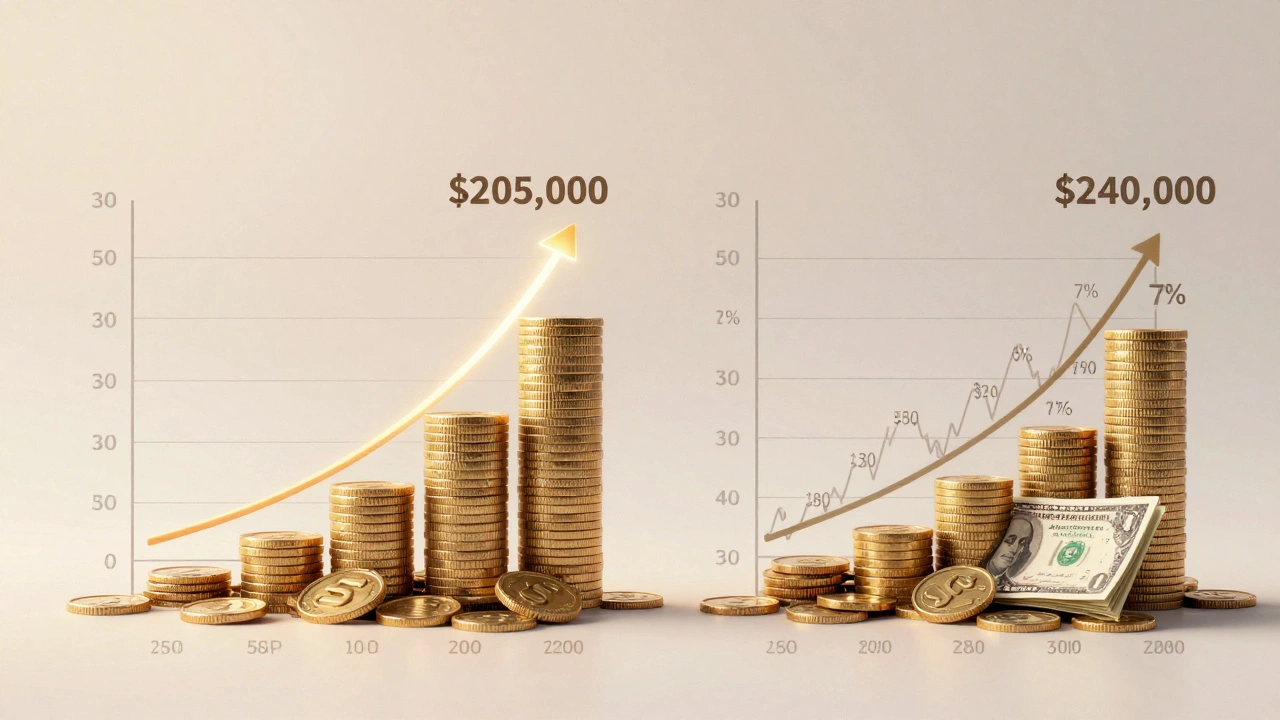
Compound growth, the process where your earnings generate their own earnings over time, is the silent engine behind most successful retirements. It doesn’t need flashy stocks or timing the market. A £200 monthly contribution earning 5% annually grows to over £180,000 in 30 years—even with no lump sums added. That’s the power of letting money work for you, not the other way around. Meanwhile, pension investments, the accounts your employer or government helps you save in, like SIPPs or workplace pensions, are designed to harness this exact effect. But too many people treat them like savings accounts, withdrawing early or switching funds after every market dip, which kills long-term gains.
Long-term investing, holding assets for 10+ years without reacting to daily noise, is the only strategy that reliably beats inflation and fees. Studies show that investors who stayed invested through market crashes from 2000 to 2020 ended up with nearly double the returns of those who tried to time the market. Your retirement isn’t a sprint—it’s a marathon where pacing matters more than speed. And while headlines scream about crypto or AI stocks, the real winners in retirement are those who stick to low-cost index funds, dividend-paying stocks, and bonds that pay out regularly without needing constant attention.
What you’ll find below aren’t theories or sales pitches. These are real posts from people who’ve been there—whether it’s understanding how much equity you can safely pull from your home in retirement, why cash savings often lose value over time, or what the actual average return is on UK pension funds. No fluff. No hype. Just what works when your future depends on it.
What Is the Average 401(k) Return Over 30 Years?
0 Comments
The average 401(k) return over 30 years is typically 6%-7% after inflation. Learn how compound growth, fees, and consistency shape your retirement savings-and why small changes make a huge difference.