
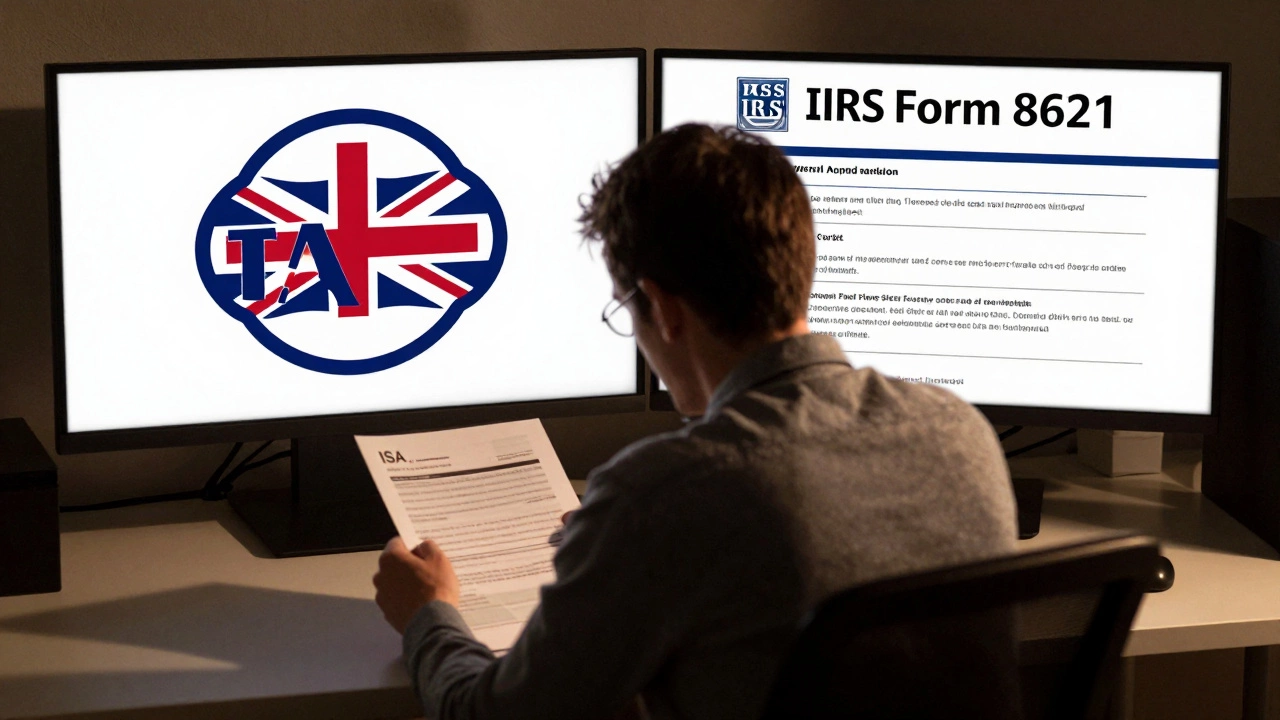
Can a US Citizen Have an ISA? What You Need to Know
US citizens can open ISAs in the UK, but IRS rules make them risky. Learn why tax-free UK savings can trigger costly reporting and penalties-and what better alternatives exist.
Read MoreWhen it comes to ISA eligibility, the rules set by the UK government for who can open and contribute to a tax-free savings account. Also known as Individual Savings Account, it’s one of the most powerful tools for growing money without paying tax on interest, dividends, or capital gains. But not everyone qualifies—and knowing the basics can save you from missed opportunities or costly mistakes.
You must be a UK resident to open an ISA. That means you live in the UK for tax purposes, even if you’re not a citizen. If you’re under 16, you can only open a Junior ISA. Once you turn 18, you can switch to an adult ISA and start using your full annual allowance. The government sets a yearly limit—£20,000 for the 2024/25 tax year—and you can split that across different types: Cash ISA, Stocks and Shares ISA, Innovative Finance ISA, or Lifetime ISA. But you can only pay into one of each type per tax year. If you try to open more than one of the same kind, HMRC will catch it—and you could lose the tax-free status.
Lifetime ISA, a special type of ISA for first-time homebuyers or retirement savings, with a 25% government bonus. Also known as LISA, it’s only available to people aged 18 to 39, and you must stop contributing once you turn 50. Even if you’ve never bought a home, you can still use it for retirement—but withdrawing for anything else before 60 costs you the bonus plus a 25% penalty. Then there’s the Junior ISA, a tax-free savings account for children under 18, managed by a parent or guardian. Also known as JISA, it can’t be accessed until the child turns 18, and the annual limit is £9,000. These aren’t just side options—they’re key parts of the ISA system, each with strict eligibility rules.
Non-residents can’t open new ISAs, but if you had one while living in the UK, you can keep it open and still earn tax-free growth. You just can’t add more money to it unless you’re a Crown servant working overseas, like a diplomat or armed forces member. If you’re moving abroad, your ISA stays protected—no need to close it. But if you return to the UK later, you can start contributing again.
Some people think having bad credit or a low income stops them from opening an ISA. It doesn’t. ISAs aren’t loans. There’s no credit check. You don’t need to prove your income. All you need is to be a UK resident, meet the age requirement, and have money to put in. That’s it. Even if you’re on benefits or unemployed, you can still use your ISA allowance. It’s one of the few financial tools that doesn’t judge your situation—it just helps you grow what you have.
There’s also a common myth that you need to be a financial expert to use an ISA. You don’t. You can open a Cash ISA with £1 and forget about it. Or you can pick a Stocks and Shares ISA and let a fund do the work. The system is built for everyone—from students saving their first paycheck to retirees looking to protect their nest egg.
What you’ll find below are real guides on how to use ISAs the right way—what happens if you exceed your limit, how to switch providers without losing tax benefits, why some people miss out on the full allowance, and how the Lifetime ISA compares to pensions. These aren’t theory pieces. They’re practical, no-fluff answers from people who’ve been there. Whether you’re just starting out or trying to fix a mistake, the posts here show you exactly what works—and what doesn’t.
US citizens can open ISAs in the UK, but IRS rules make them risky. Learn why tax-free UK savings can trigger costly reporting and penalties-and what better alternatives exist.
Read More
US citizens can open an ISA if they're UK tax residents, but the IRS doesn't recognize it as tax-free. Learn why it often creates more tax problems than savings-and what to do instead.
Read More