Is $100k Saved at 30 Good? A Realistic Benchmark for Your Wealth
0 Comments
Having $100k saved at 30 is a strong financial position, placing you ahead of most peers. This guide breaks down how to evaluate your savings, manage debt, and invest for long-term growth.
Where to Get 7% Interest on Savings in 2026: Best Accounts & Strategies
0 Comments
Discover where to find 7% interest on savings in 2026. We compare high-yield savings accounts, GICs, and CDs in Canada and the US, offering actionable tips to maximize your returns safely.
Bank Failures and Your Savings: Which Banks Are at Risk in 2026?
0 Comments
Worried about bank failures in 2026? Learn how to spot warning signs, understand FDIC insurance limits, and protect your savings from potential collapses.
How Many People Have $300K in Savings? Real Numbers Behind the Goal
0 Comments
Only 12% of Canadian households have over $100K in savings. Reaching $300K is rare - and requires high income, early starts, or homeownership. Here’s what actually works.
Is Saving $600 a Month Good? Real Numbers for Canadian Finances in 2025
0 Comments
Saving $600 a month is a strong habit for most Canadians. It builds emergency funds, grows retirement savings, and creates financial freedom. Learn how it stacks up against inflation, debt, and home prices in 2025.
Can a US Citizen Have an ISA? What You Need to Know
0 Comments
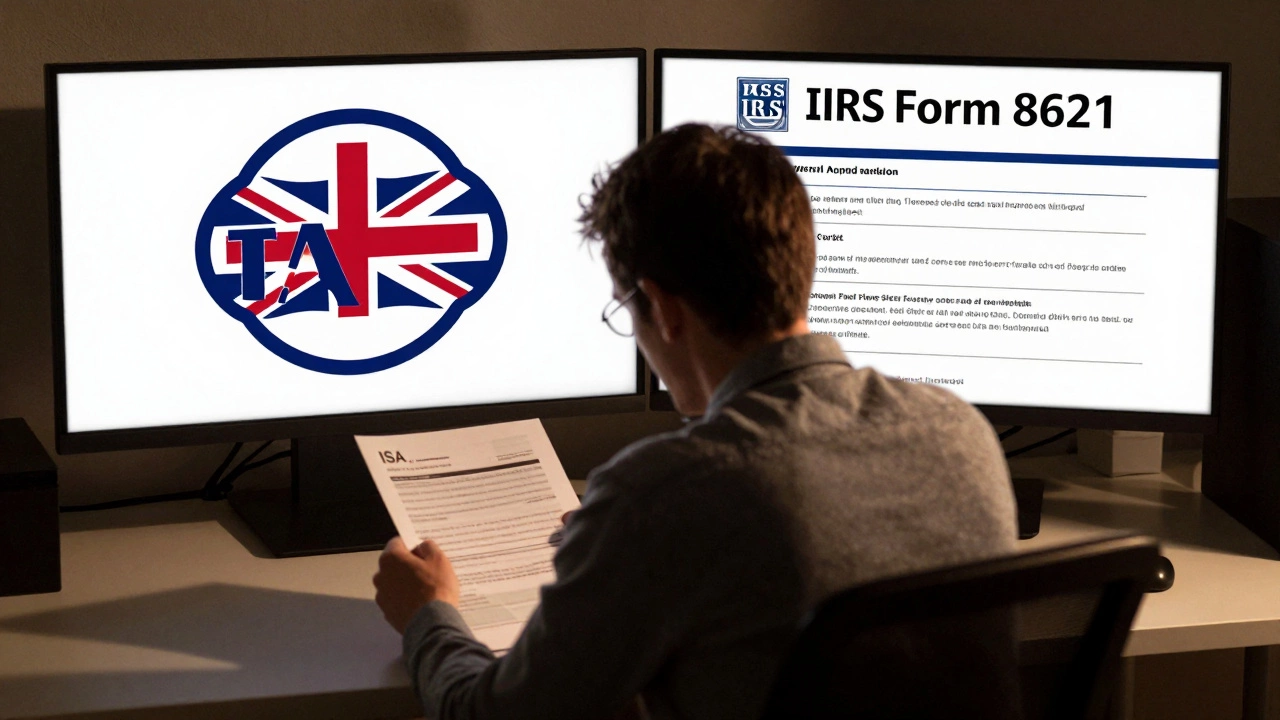
US citizens can open ISAs in the UK, but IRS rules make them risky. Learn why tax-free UK savings can trigger costly reporting and penalties-and what better alternatives exist.
Can a US Citizen Open an ISA? Here’s What You Need to Know
0 Comments
US citizens can open an ISA if they're UK tax residents, but the IRS doesn't recognize it as tax-free. Learn why it often creates more tax problems than savings-and what to do instead.
How Much Cash Should I Keep in Savings? A Realistic Guide for Canadians
0 Comments
Learn how much cash you should keep in savings based on your real expenses, job stability, and Canadian living costs. No fluff - just clear, practical steps to build a true emergency fund.
The US doesn't have a direct equivalent to the UK's ISA, but combining a Roth 401(k), Roth IRA, HSA, and brokerage account can give you similar - or even better - tax-free savings power.
Saving Money in a Savings Account: Risks and Benefits
0 Comments
Explore whether keeping money in a savings account is wise, learn how interest, inflation and fees affect your cash, and discover better low‑risk alternatives for long‑term growth.